Why Scent Is So Strongly Linked to Memory
Almost everyone has a scent that acts like a time machine. A particular sunscreen, a grandparent's kitchen, the inside of an old book, and suddenly you are somewhere else entirely, feeling what you felt years ago. This experience is so common and so vivid that scientists have studied it closely, and the explanation comes down to how smell is wired into the brain differently from every other sense.
A direct line to emotion and memory
Most of what you see and hear is routed first through a relay station called the thalamus before reaching the parts of the brain that handle emotion and memory. Smell largely skips that detour. Research on odor evoked memory notes that olfactory information is directly transmitted to the piriform cortex, amygdala, and entorhinal cortex, the centers of emotion and memory processing. The amygdala governs emotional weight and the hippocampal region is essential for forming personal memories, so smell reaches these areas with remarkably few steps in between. That short, privileged pathway is the physical basis for the feeling that a scent can bypass thought and hit you straight in the gut.
The Proust effect
This phenomenon even has a literary name. It is called the Proust effect, after the novelist Marcel Proust, who famously described a flood of childhood memory unlocked by the smell and taste of a small cake dipped in tea. A clinical review explains that odors evoking vivid and intensely felt autobiographical memories are known as the Proust phenomenon, and that such odor evoked memories are particularly emotional, measured both by what people report and by physical responses like a raised heart rate. In other words, the intensity you feel is not just poetic license; it shows up in the body.
Why smell memories feel more emotional
Memories triggered by scent tend to differ from those triggered by a photo or a song in a few consistent ways:
- They often feel more emotional and immersive, as if you are transported rather than simply reminded.
- They frequently reach further back, toward early childhood.
- They can arrive unbidden, without any deliberate effort to remember.
All of this fits the anatomy. Because the smell signal mingles so early with emotional and memory circuitry, the recollection comes pre loaded with feeling rather than assembled coolly after the fact.
Putting the connection to use
You can take practical advantage of this wiring. Because scent and memory bind so tightly, deliberately pairing a distinctive fragrance with a meaningful period of your life can turn that scent into a lasting anchor. Some people wear a specific perfume on a trip or during an important season so that, years later, a single spray brings the whole experience back. It is also why a signature scent becomes part of how others remember you, since your presence gets filed alongside emotion in their minds.
The limits of the research
It is worth staying honest about what the science does and does not show. Odor evoked memories are powerful and measurably emotional, but they are not necessarily more accurate than other memories; vividness and accuracy are different things. Individual differences are large, and not everyone has strong scent triggered recall. Much of the research also relies on self report, which makes some findings suggestive rather than settled. The core anatomical story, that smell has an unusually direct route to emotion and memory centers, is well supported, even as the finer details continue to be studied.
Still, the next time a passing scent yanks you back across the years, you can appreciate that you are experiencing a genuine quirk of your own biology. Your nose is not just sampling the air. It is quietly filing each moment away, deep in the oldest and most emotional corners of your brain.
Compare prices on fragrances from this guide
FragranceX prices shown, recorded when this page was built. Open any bottle to compare it against live Amazon and eBay listings.
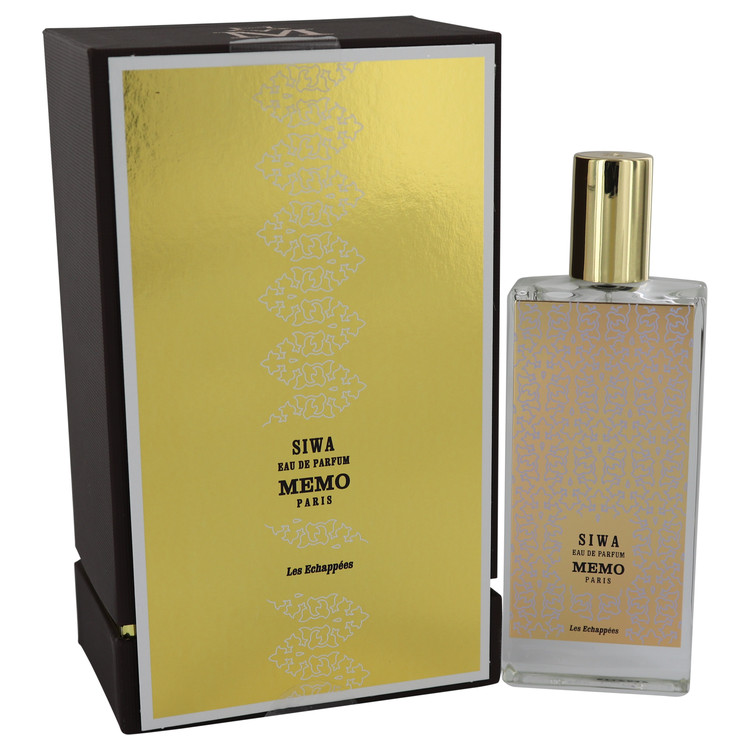
MemoMemo Siwa Perfume by Memo 2.53 oz EDP Spray for Women$292.67Compare prices →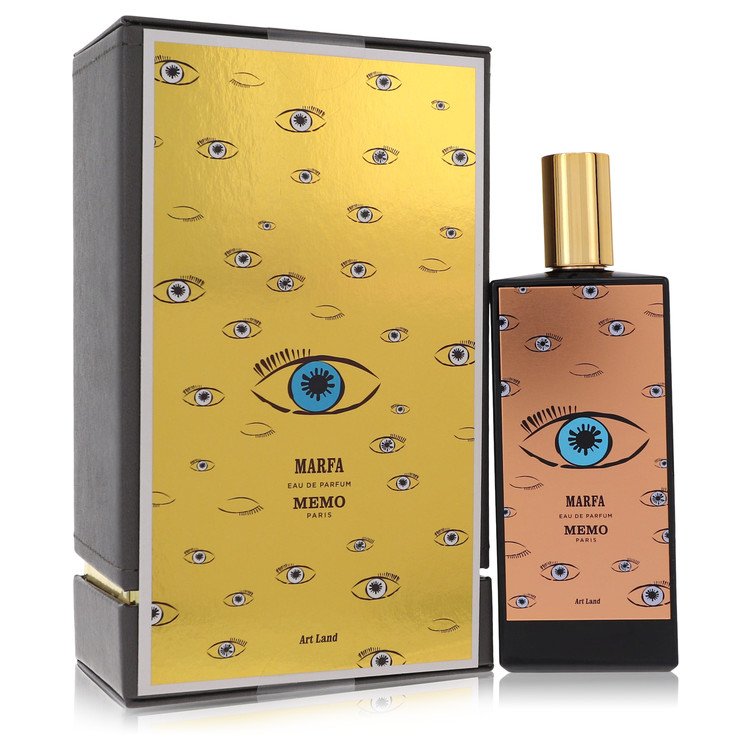 MemoMarfa Perfume by Memo 2.5 oz EDP Spray (Unisex) for Women$173.00Compare prices →
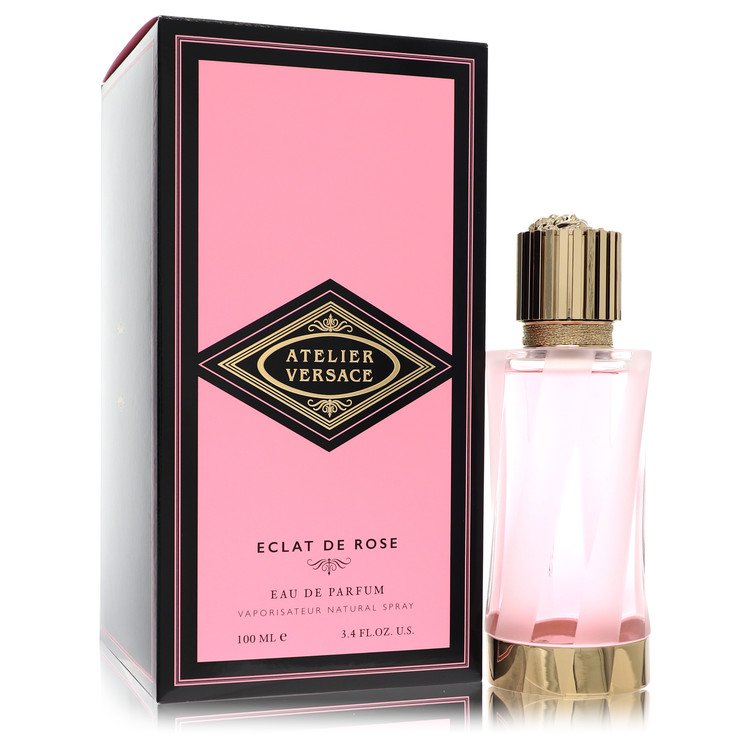 VersaceEclat De Rose Perfume 3.4 oz EDP Spray (Unisex) for Women$213.51Compare prices →
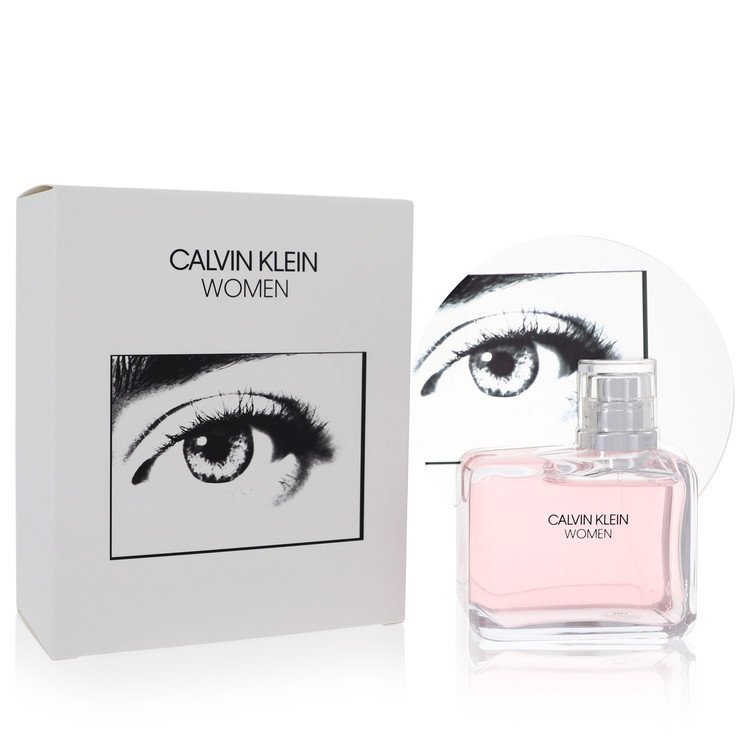 Calvin KleinCalvin Klein Woman Perfume by Calvin Klein 3.4 oz EDP Spray for Women$60.40Compare prices →
Smell it before you buy it
Our directory lists brick-and-mortar perfume and fragrance stores in every US state, with addresses, phones, and websites, so you can test on skin before spending real money.
Find a fragrance store near you