What Perfume Should Cost: A Realistic Price Guide
Perfume pricing looks arbitrary because most of what you pay for is not the liquid. Materials in a typical designer bottle cost a few dollars; the rest is development, marketing, packaging, retail margin, and brand position. That does not make perfume a scam, but it does mean price and quality correlate loosely. Here is how the market actually tiers.
The price tiers
| Tier | Typical price (100 ml or nearest) | What you are buying |
|---|---|---|
| Budget and clone houses | $8 to $35 | Interpretations of popular scents, simpler materials, shorter development. Value can be startling; consistency varies. |
| Mainstream designer | $70 to $160 | Safe, polished, crowd-tested compositions from fashion houses. Heavy retail markup, so discounts run deep. |
| Premium designer and "prestige" | $150 to $300 | Designer houses' higher-concentration or "private collection" lines. Often genuinely richer materials. |
| Niche | $150 to $400+ | Independent houses selling mostly through boutiques. You pay for creative risk and lower volumes, not always better performance. |
Think in cost per wear, not bottle price
A $150 bottle sounds expensive, but a 100 ml bottle holds roughly 800 to 1,000 sprays. At five sprays a wearing that is about 180 wearings, or around 83 cents per wear. A $12 latte lasts twenty minutes; a wearing lasts most of a day. Run your own numbers in the Cost Per Wear Calculator; the result usually reframes the decision entirely.
Where the discounts are
Authorized department stores rarely discount, but the gray market legally does. Online discounters buy overstock and distribute-around inventory and routinely sell genuine designer bottles 30 to 60 percent under list. Established discounters such as FragranceNet and FragranceX have operated for decades; the trade-off is you cannot smell first and batches may be older. Never chase the same discounts on auction sites or social media sellers; that is where counterfeits live, as covered in our fakes guide.
When paying more is worth it
- You wear it constantly. A signature scent worn 250 days a year justifies quality; the per-wear cost stays tiny.
- The cheap version genuinely differs. Sometimes the clone is 90 percent of the experience; sometimes the missing 10 percent is the point. Sample both and let your nose vote.
- Natural materials you can smell. Real sandalwood, orris, and oud are expensive for supply reasons, not marketing ones.
When it is not
- Limited editions that are the same juice in new packaging.
- Celebrity "prestige" flankers priced like niche.
- Any bottle bought at full price when the identical item sits 40 percent cheaper at a legitimate discounter.
Before any purchase over $50, sample first (see decants and samples) and compare sizes with the value calculator. Most regret in this hobby is bought at full price, in a hurry, untested.
A few well-priced classics
FragranceX prices shown, recorded when this page was built. Open any bottle to compare it against live Amazon and eBay listings.
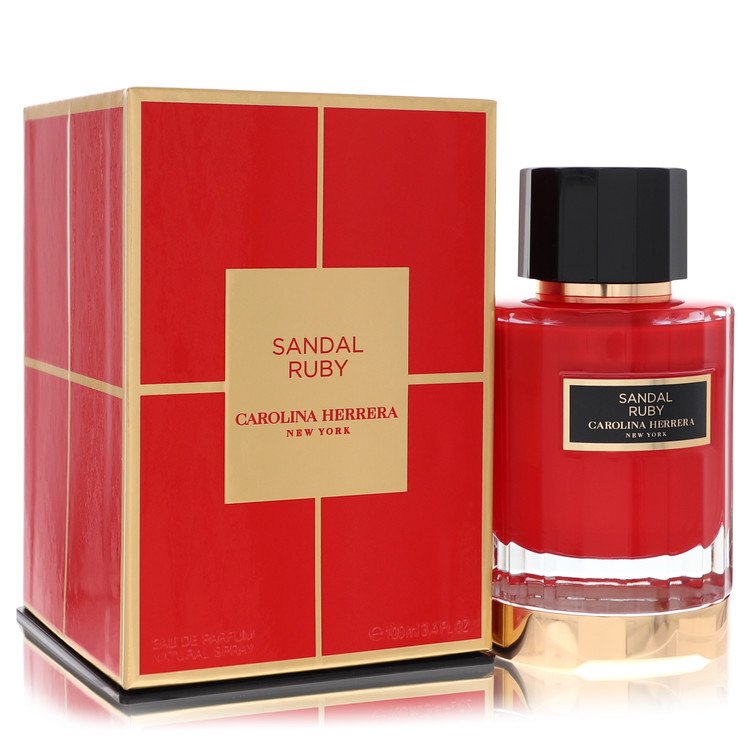 Carolina HerreraSandal Ruby Perfume 3.4 oz EDP Spray (Unisex) for Women$336.40Compare prices →
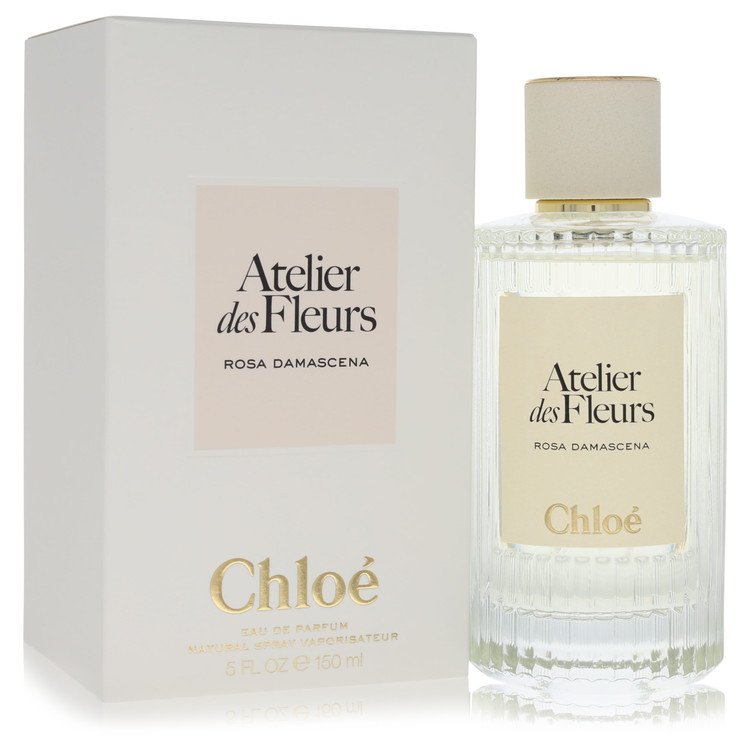 ChloeChloe Atelier Des Fleurs Rosa Damascena Perfume 5 oz EDP Spray for Women$257.45Compare prices →
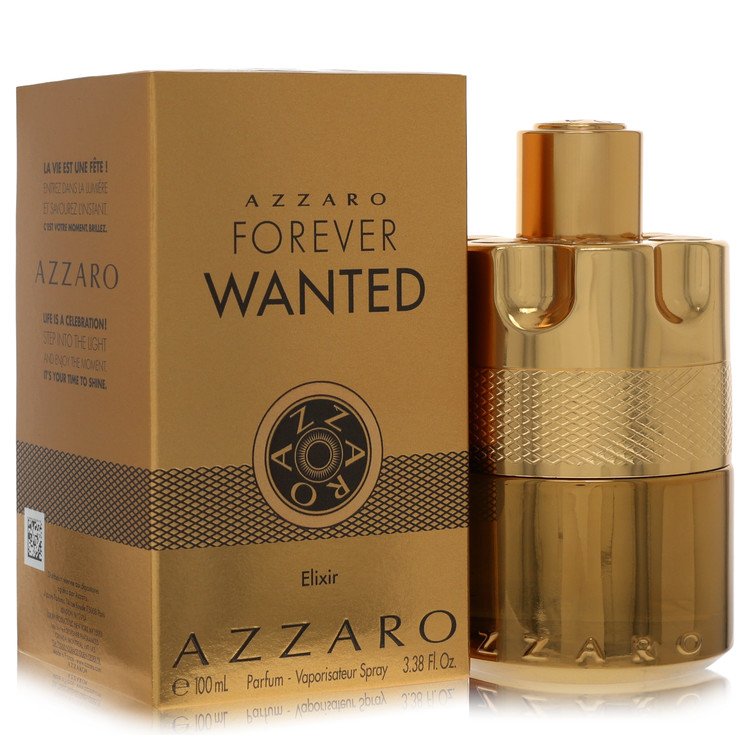 AzzaroAzzaro Forever Wanted Elixir Cologne 3.38 oz Parfum Spray for Men$116.02Compare prices →
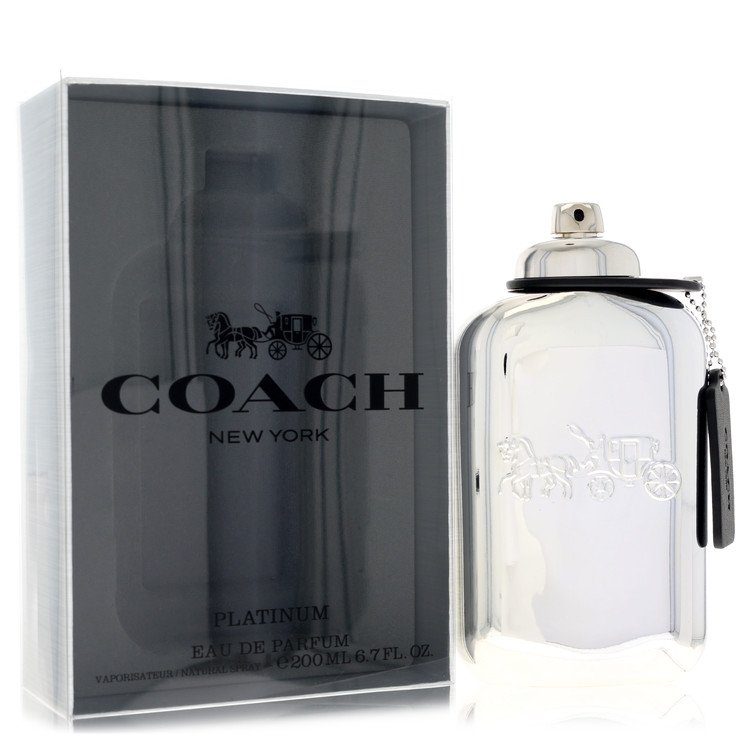 CoachCoach Platinum Cologne by Coach 6.7 oz EDP Spray for Men$85.81Compare prices →
Smell it before you buy it
Our directory lists brick-and-mortar perfume and fragrance stores in every US state, with addresses, phones, and websites, so you can test on skin before spending real money.
Find a fragrance store near you