The Role of pH and Skin Chemistry in Fragrance
Few ideas in the fragrance world are repeated as often as "skin chemistry." People swear that a scent which sings on a friend turns flat and lifeless on their own skin, and the usual explanation is a vague appeal to personal pH. There is a genuine biological basis for part of this, but the story is more nuanced than the folklore suggests. Understanding what your skin actually does to a fragrance helps you set realistic expectations and apply more effectively.
What Skin pH Really Is
The outer surface of healthy skin is mildly acidic, a feature dermatologists call the acid mantle. This thin film is maintained by sweat, sebum, and byproducts of the skin barrier. When researchers measure the stratum corneum, they consistently find a surface pH that sits on the acidic side of neutral. One observational study noted that normal skin pH generally ranges between roughly 4 and 6, with small differences between men and women, according to published measurements of skin surface pH. That value is not fixed. It shifts with body site, age, sweating, cleansing habits, and the products you layer on top.
Can pH Actually Change How a Fragrance Smells?
In principle, acidity or alkalinity can influence certain pH-sensitive aroma molecules and the rate at which some materials react or degrade. In practice, the effect on a finished perfume is usually modest. A modern fragrance is dominated by its alcohol and solvent base, which buffers the composition and largely dictates how the top notes flash off. So while your skin's chemistry can nudge the edges of a scent, it rarely rewrites a fragrance from the ground up. Dramatic before-and-after differences are more often explained by other factors below.
The Bigger Players: Oils and Bacteria
Two elements matter more than raw pH. The first is your skin's oil content. Sebum gives volatile molecules something to cling to, which is why the same spray can feel richer and longer lasting on oilier skin than on parched skin. The second is your resident microbiome. Skin bacteria are not passive bystanders. Work mapping the microbes responsible for body odor shows that species such as Staphylococcus and Corynebacterium transform otherwise odorless sweat components into volatile carboxylic acids, sulfur compounds, and steroids. Those background notes mingle with whatever you spray on, subtly shading the result from one person to the next.
Moisture and Longevity
Hydration is the lever most people can actually control. On dry skin, there is less lipid to hold aroma molecules in place, so the volatile top of a fragrance evaporates and disperses faster. This is where a simple pre-application step helps. Occlusive and emollient moisturizers reduce transepidermal water loss by sealing the surface, as summarized in clinical references on how moisturizers work. A layer of unscented lotion before you spray gives fragrance a slightly richer, slower-evaporating canvas, which is why moisturizing first is one of the few longevity tips with a real mechanism behind it.
Separating Fact From Myth
- Skin pH is real and mildly acidic, but it is a minor influence on a finished, alcohol-based perfume.
- Oil content and your personal microbiome do more to shape how a scent reads on you.
- Dry skin shortens longevity; moisturizing beforehand is a legitimate fix.
- Because these variables are individual, the only reliable test is your own skin, worn over several hours, not a quick sniff on a paper strip.
So the next time a fragrance behaves differently on you than on someone else, the culprit is rarely a mysterious personal pH. It is the ordinary, measurable interplay of moisture, oils, and the tiny ecosystem living on your skin.
Compare prices on fragrances from this guide
FragranceX prices shown, recorded when this page was built. Open any bottle to compare it against live Amazon and eBay listings.
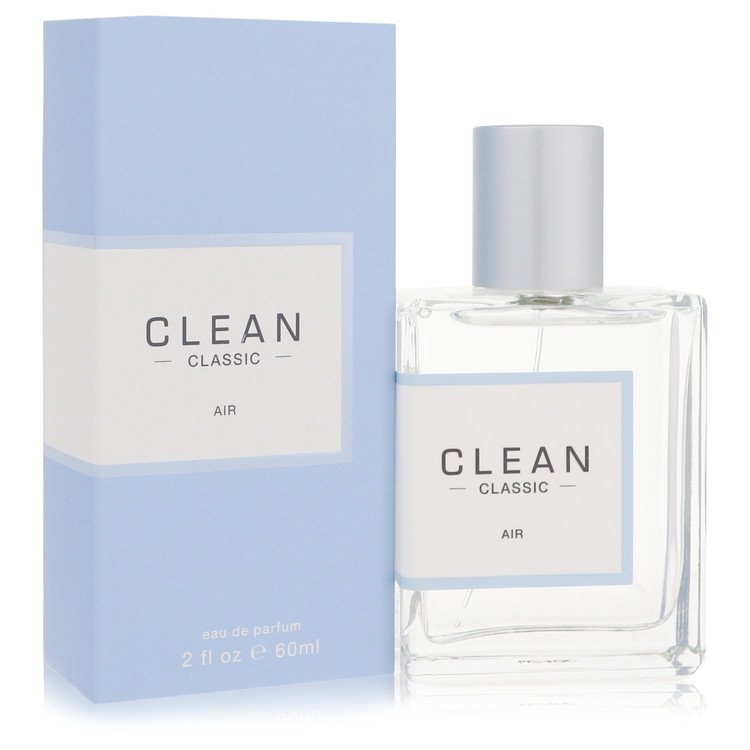
CleanClean Air Perfume by Clean 2.14 oz EDP Spray for Women$29.51Compare prices →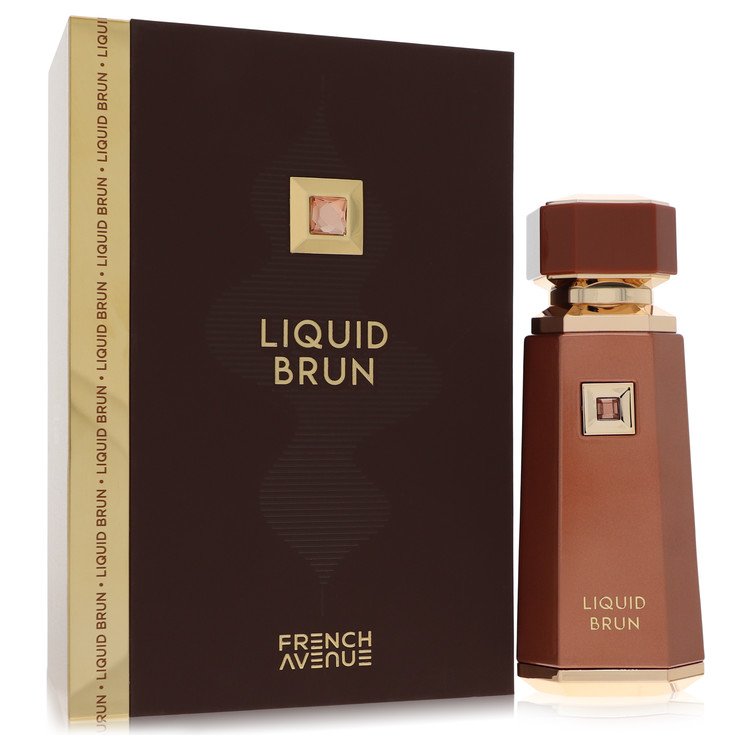 Fragrance WorldFragrance World Liquid Brun Cologne 3.4 oz EDP Spray for Men$39.99Compare prices →
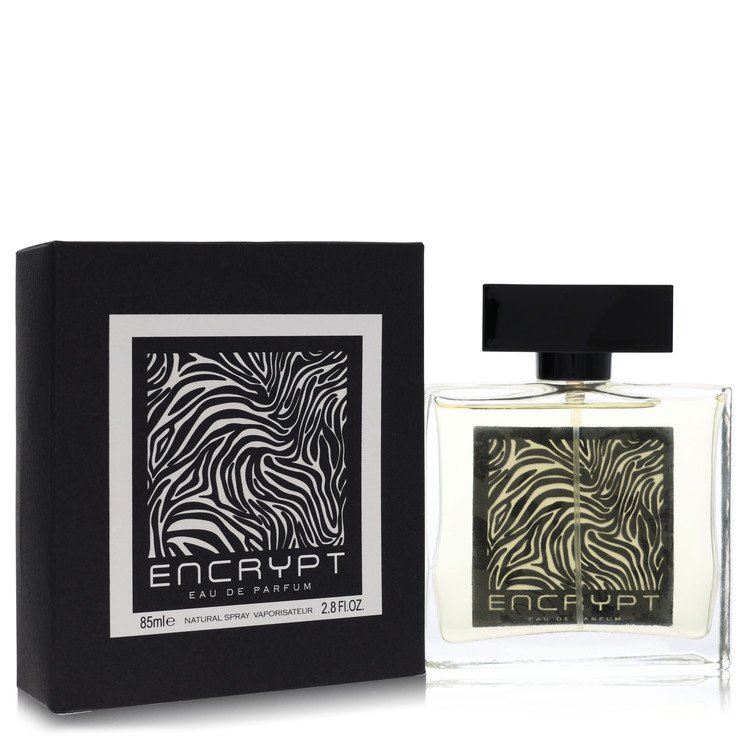 Fragrance WorldFragrance World Encrypt Cologne 2.8 oz EDP Spray for Men$15.26Compare prices →
 CleanClean Rain Perfume by Clean 2 oz EDP Spray for Women$32.26Compare prices →
Smell it before you buy it
Our directory lists brick-and-mortar perfume and fragrance stores in every US state, with addresses, phones, and websites, so you can test on skin before spending real money.
Find a fragrance store near you