What Are Aroma Molecules and How Are They Made?
Behind every fragrance, natural or synthetic, sits the same basic unit: the aroma molecule. These are the actual chemical compounds your nose detects, the invisible building blocks of scent. Whether a material comes from a rose petal or a reaction flask, what you ultimately smell is molecules. Understanding what they are and how they are made pulls back the curtain on the entire fragrance world.
What makes a molecule smell of anything
An aroma molecule is simply a compound that is volatile, meaning it evaporates easily into the air, and odor active, meaning it can bind to the receptors in your nose. Not every chemical qualifies. To be smelled, a molecule generally needs to be light enough to float up to your nose and shaped in a way that fits your olfactory receptors. This is why a heavy, nonvolatile substance like table salt has essentially no smell, while a light, volatile one can perfume an entire room.
Naturally derived isolates versus fully synthetic
Aroma molecules reach perfumers by two broad routes. Some are isolates, meaning a single compound pulled out of a natural material. Vanillin can be isolated from vanilla, and menthol from mint, giving a pure version of one molecule rather than the whole complex extract. Others are fully synthetic, built up through chemical reactions from simpler starting materials. The finished molecule can be chemically identical whether it was isolated or synthesized, which is an important point: a molecule does not carry a memory of its origin, and your nose cannot tell the difference.
How aroma chemicals are made
Industrial production of aroma chemicals is a major branch of organic chemistry. A scientific review of fragrance synthesis notes that synthetic and semi synthetic fragrances have become mainstream in the flavors and fragrances industries, because natural sources alone cannot meet the rapidly growing and diverse needs of perfumers. Molecules are assembled through reactions that build and modify carbon skeletons, and newer approaches increasingly use biotechnology, where engineered yeast or bacteria ferment sugars into aroma compounds. These methods let manufacturers produce consistent, affordable materials, including some that occur only in trace amounts in nature.
Why a single molecule can smell complex
One of the most surprising facts about aroma chemistry is how much character a single molecule can carry. A lone compound can smell convincingly of green apple, fresh laundry, or the sea, even though no apple, laundry, or ocean is present. A few reasons this happens:
- Your brain reads familiar molecular patterns and fills in the associated image.
- Some molecules are extremely potent, so a tiny trace makes a big impression.
- A single molecule can trigger a combination of receptors that we have learned to link to a complex real world smell.
This is why perfumers can suggest an entire scene with just a handful of well chosen materials.
Safety assessment before use
Before an aroma molecule ends up in a product you wear, it is expected to pass through structured safety review. The Research Institute for Fragrance Materials runs a program that, by its own description, covers eight critical endpoints in human health and environmental science for each fragrance ingredient in use, including skin sensitization, genotoxicity, and environmental safety, with findings reviewed by an independent expert panel. This applies to natural and synthetic materials alike, because safety is judged on the molecule and its exposure, not on whether it was grown or made.
So the next time you read a note list, remember that each item is shorthand for real chemistry. Behind vanilla is vanillin, behind that clean musk is a carefully engineered molecule, and behind all of them is a chain of synthesis, isolation, and safety testing. Aroma molecules are where nature, chemistry, and human ingenuity meet, and they are the reason a few milliliters of liquid can smell like almost anything imaginable.
Compare prices on fragrances from this guide
FragranceX prices shown, recorded when this page was built. Open any bottle to compare it against live Amazon and eBay listings.
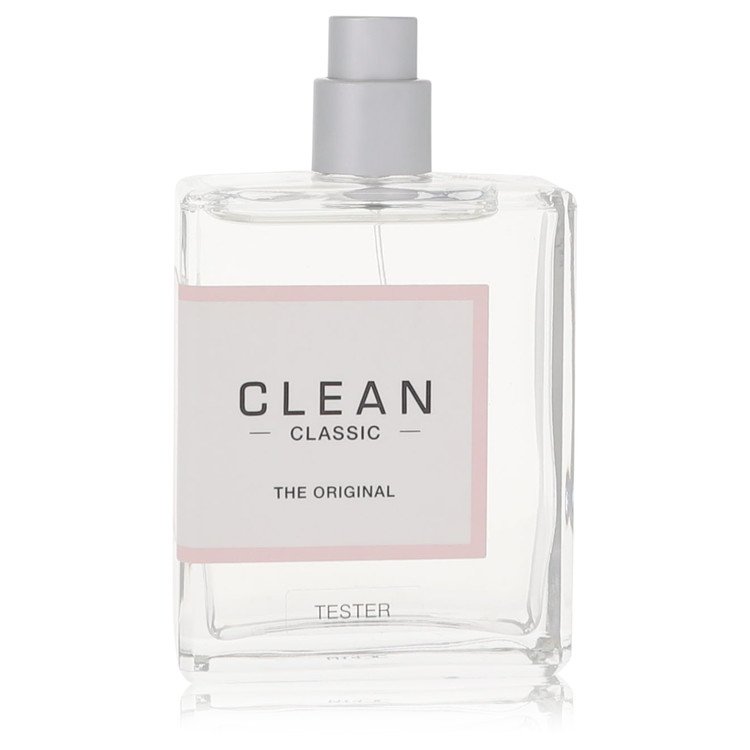
CleanClean Original Perfume 2.14 oz EDP Spray (Tester) for Women$37.75Compare prices →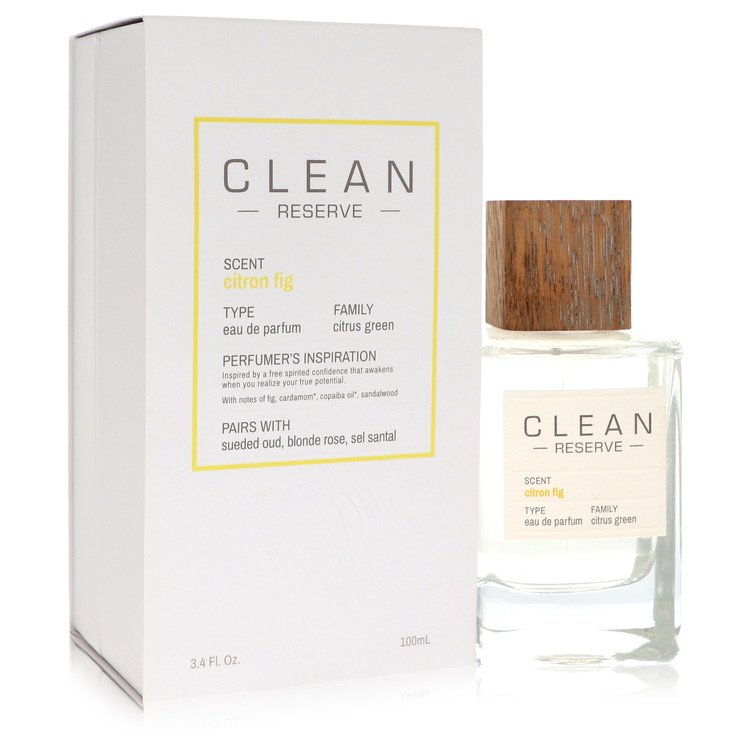 CleanClean Reserve Citron Fig Perfume by Clean 3.4 oz EDP Spray for Women$74.82Compare prices →
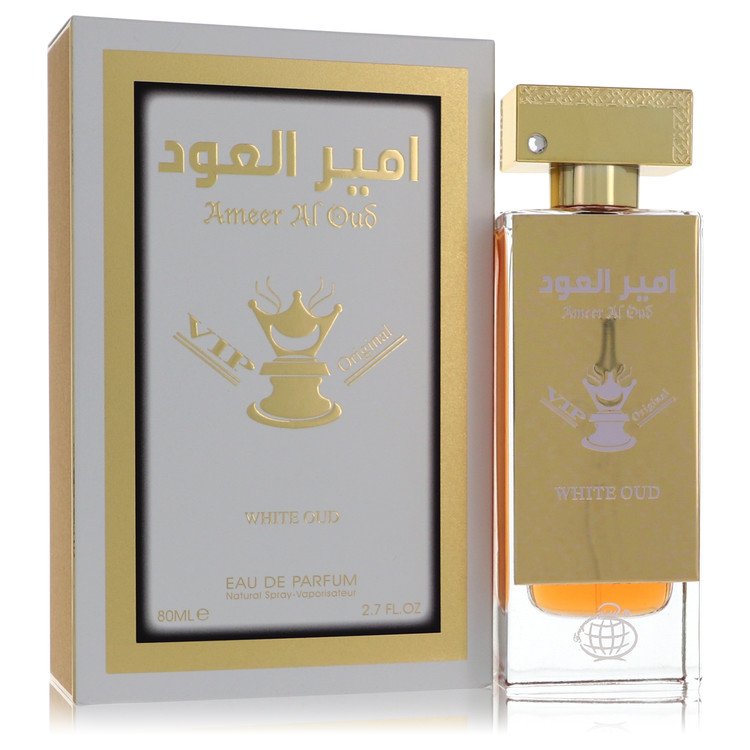 Fragrance WorldAmeer Al Oud Vip Original White Oud Cologne 2.7 oz EDP Spray (Unisex) for Men$29.99Compare prices →
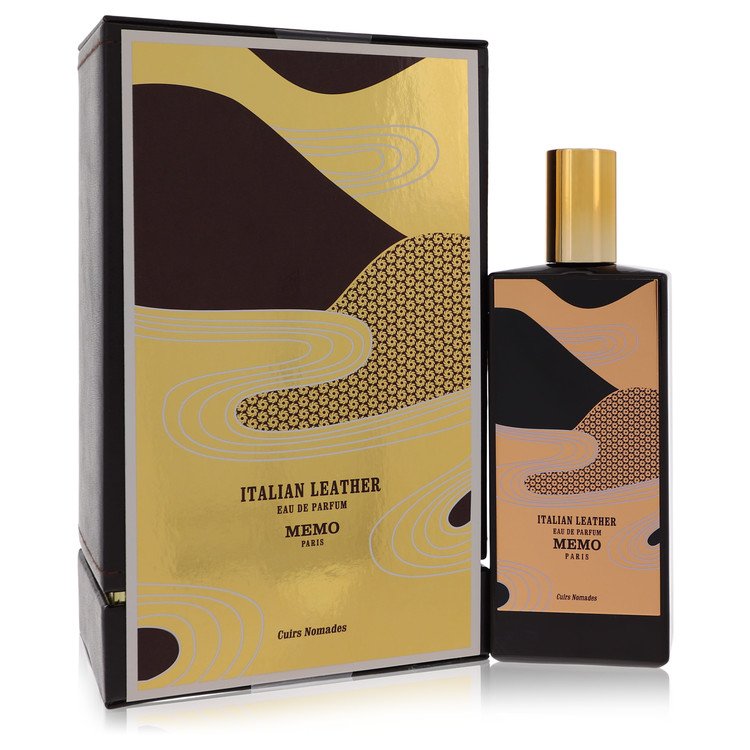 MemoItalian Leather Perfume 2.5 oz EDP Spray (Unisex) for Women$189.55Compare prices →
Smell it before you buy it
Our directory lists brick-and-mortar perfume and fragrance stores in every US state, with addresses, phones, and websites, so you can test on skin before spending real money.
Find a fragrance store near you