What Makes a Fragrance Unisex?
Ask what makes a fragrance unisex and the honest answer is surprising: nothing about the liquid itself. Aroma molecules have no gender. A drop of sandalwood or rose smells the same whether it lands on a man or a woman. What we call masculine or feminine is a set of cultural associations layered on top of the scent, not a property of the scent. Unisex fragrance simply strips that layer away.
Gender in Scent Is Cultural, Not Chemical
The idea that certain notes belong to one sex is learned, not hardwired. Research on olfaction consistently finds that our responses to smells are shaped heavily by experience. A large study on the perception of odor pleasantness across cultures notes wide support for the view that most aspects of olfactory perception are highly malleable and mainly learned. In other words, whether a note reads as masculine or feminine is largely something we absorb from the world around us, not something written into our biology.
The Myth of the Innate Divide
People often assume men and women simply smell differently, justifying separate ranges. The evidence for a strong divide is weak. A meta analysis of sex differences in human olfaction found that while women score slightly higher on some olfactory tasks, the effect sizes were notably small, and performance in identifying odors depends on prior exposure and familiarity with them. Small, exposure dependent differences in ability are a poor foundation for the rigid pink and blue split that fragrance counters have used for decades.
How Marketing Assigned Notes a Gender
For most of history, perfume was worn by everyone as a marker of status rather than sex. The strict division into scents for men and scents for women grew mainly out of twentieth century marketing, which found it profitable to sell two bottles where one had served before. Over time, particular materials drifted toward one side: fresh, fern like fougere accords and woods toward men, lush florals and sweet notes toward women. These assignments were conventions, reinforced by advertising until they felt natural, not conclusions drawn from chemistry. Different eras and cultures have drawn the lines in completely different places, which is the clearest sign that the boundaries were invented rather than discovered.
The Notes Everyone Shares
Look closely and the supposedly gendered building blocks appear everywhere. Citrus, musk, amber, vanilla, vetiver, and countless florals show up across the whole spectrum of perfumery, as any survey of the standard fragrance families and accords makes clear. A woody amber can anchor a scent sold to men or women with only cosmetic changes to the packaging. The same accords, recombined and marketed differently, cross the imaginary line constantly.
The Rise of Shared Fragrance
This is why unisex, or shared, fragrance has grown so quickly. Many niche houses never bothered with gender labels at all, presenting scents purely as compositions to be judged on their own terms. Increasingly, mainstream brands have followed, releasing lines meant for anyone. A unisex fragrance is not a watered down compromise between two poles; it is simply a scent released without a gender instruction attached, and that freedom is exactly what many wearers have come to prefer.
Choose by Preference, Not by Label
The practical takeaway is freeing. If you love a fragrance, the aisle it sits in and the pronoun on the box tell you nothing about whether it suits you. So smell widely across the whole store, ignore the sign above the counter, and let your own nose make the decision. The best fragrance for you is simply the one you enjoy wearing, regardless of who it was supposedly made for.
Compare prices on fragrances from this guide
FragranceX prices shown, recorded when this page was built. Open any bottle to compare it against live Amazon and eBay listings.
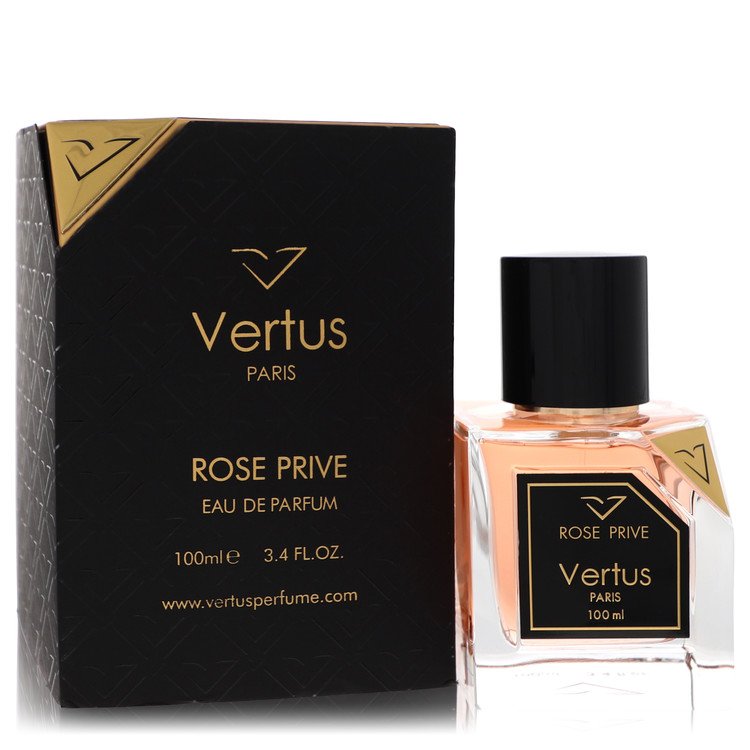
VertVertus Rose Prive Cologne 3.4 oz EDP Spray (Unisex) for Men$124.25Compare prices →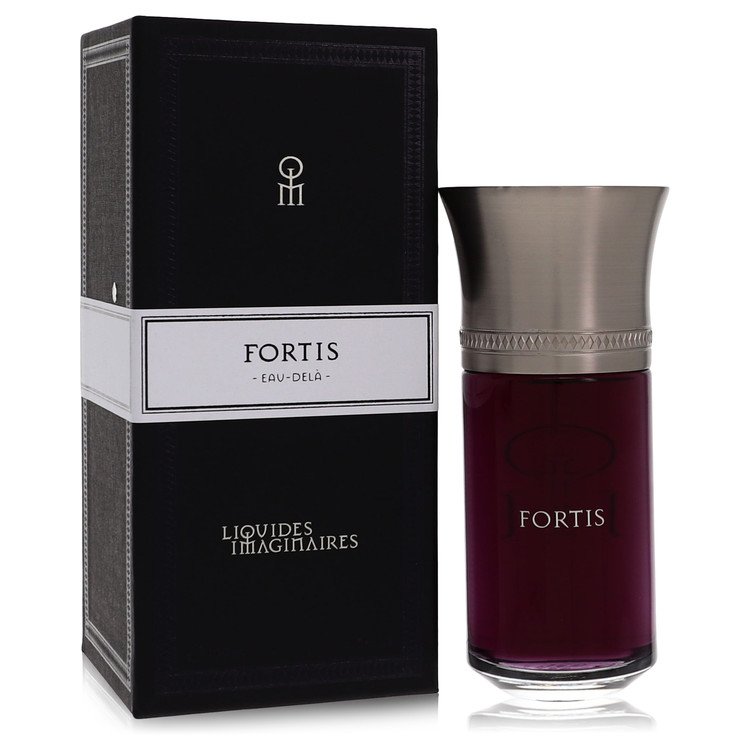 Liquides ImaginairesFortis Perfume by Liquides Imaginaires 3.3 oz EDP Spray for Women$122.20Compare prices →
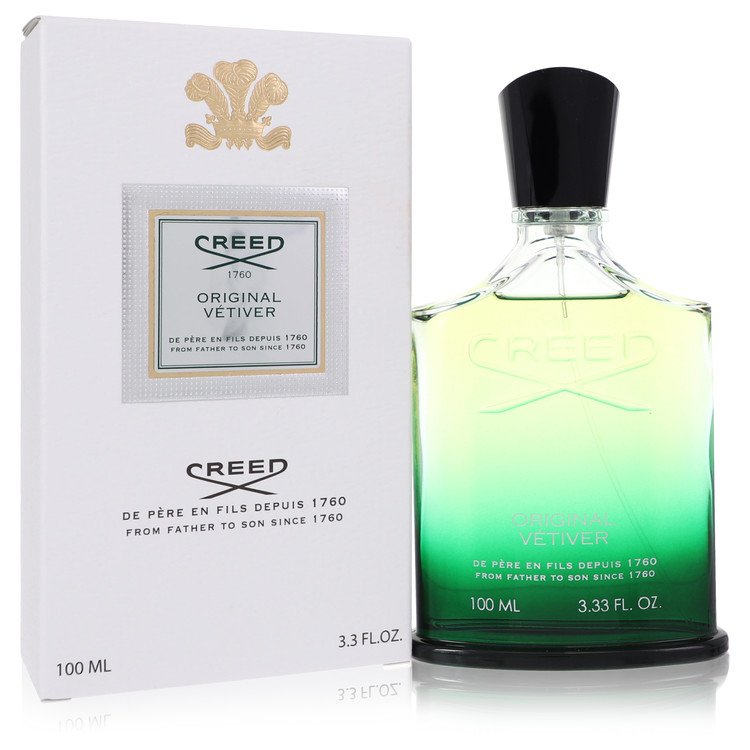 CreedOriginal Vetiver Cologne by Creed 3.3 oz EDP Spray for Men$322.67Compare prices →
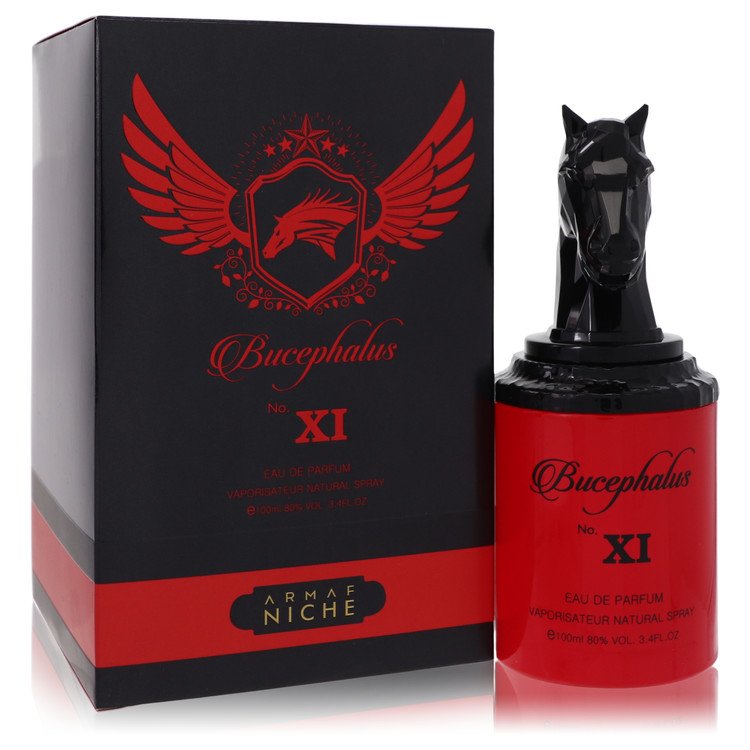 ArmafBucephalus Xi Cologne by Armaf 3.4 oz EDP Spray for Men$32.95Compare prices →
Smell it before you buy it
Our directory lists brick-and-mortar perfume and fragrance stores in every US state, with addresses, phones, and websites, so you can test on skin before spending real money.
Find a fragrance store near you