What Does Sillage Mean and Why Does It Matter?
You catch it when someone walks past: a soft ribbon of scent that lingers a moment after they are gone. That trail has a name borrowed from French, sillage, and it is one of the most evocative qualities a fragrance can have. Understanding sillage helps you choose scents that suit the impression you want to make, without overwhelming the people around you.
What Sillage Actually Is
Sillage, pronounced roughly see-yazh, originally described the wake a boat leaves on water. In fragrance it means the trail of scent a wearer leaves in the air while moving through a space. A perfume with heavy sillage fills a room and announces you; one with soft sillage stays intimate, noticeable only up close. Neither is superior. The right amount depends entirely on where and how you plan to wear it, and on the impression you are hoping to leave with the people you meet.
Sillage Versus Projection and Longevity
These three terms are often confused, but they describe different things.
- Projection is how far the scent radiates from your body at a given moment, the size of your scent bubble.
- Sillage is the lingering trail left behind you as you move, which others walk into after you have passed.
- Longevity is simply how many hours the fragrance remains detectable at all.
A fragrance can be strong in one and weak in another. Many dense base heavy scents last all day yet sit close to the skin with little sillage, while some bright compositions throw a big trail early and then vanish. Knowing which quality you actually want saves you from buying a scent that disappoints on the very measure you cared about most.
What Influences Your Sillage
Several factors push sillage up or down, and most of them are within your control.
Concentration and note choice. More aromatic material generally means more to diffuse into the air, and heavier base notes and fixatives extend the trail. The US National Library of Medicine overview of perfume structure explains that base notes are large, slow evaporating molecules that boost and hold the lighter parts of a fragrance, which is what lets a scent keep releasing over time.
Temperature. Heat is a major amplifier. As basic chemistry of vapor pressure and volatility explains, raising the temperature gives more molecules enough energy to escape a liquid into the air. Warm skin and hot weather therefore increase evaporation, so the same fragrance projects and trails more in summer than in winter.
Your skin. Individual skin makes a real difference. A study on how skin properties shape fragrance evaporation found that both skin type and the physical properties of the fragrance molecules affect how quickly a scent evaporates and releases, which is why sillage varies from person to person even with the same bottle.
Gauging and Managing Your Own Trail
The tricky part is that you are the worst judge of your own sillage. Your nose adapts quickly and stops registering a scent you are wearing, so it is easy to over apply and leave a trail far stronger than you realize. A safer approach is to start with fewer sprays than feel necessary, then ask an honest friend or simply trust that if you can still smell yourself strongly after an hour, others are getting much more.
In shared spaces, restraint is a courtesy. Offices, lifts, restaurants, and public transport concentrate people in still air where a big trail can be unwelcome or even trigger sensitivities. Save the room filling sillage for open, social evenings, and keep it soft where people cannot move away. Worn thoughtfully, sillage becomes a subtle signature rather than an imposition.
Compare prices on fragrances from this guide
FragranceX prices shown, recorded when this page was built. Open any bottle to compare it against live Amazon and eBay listings.
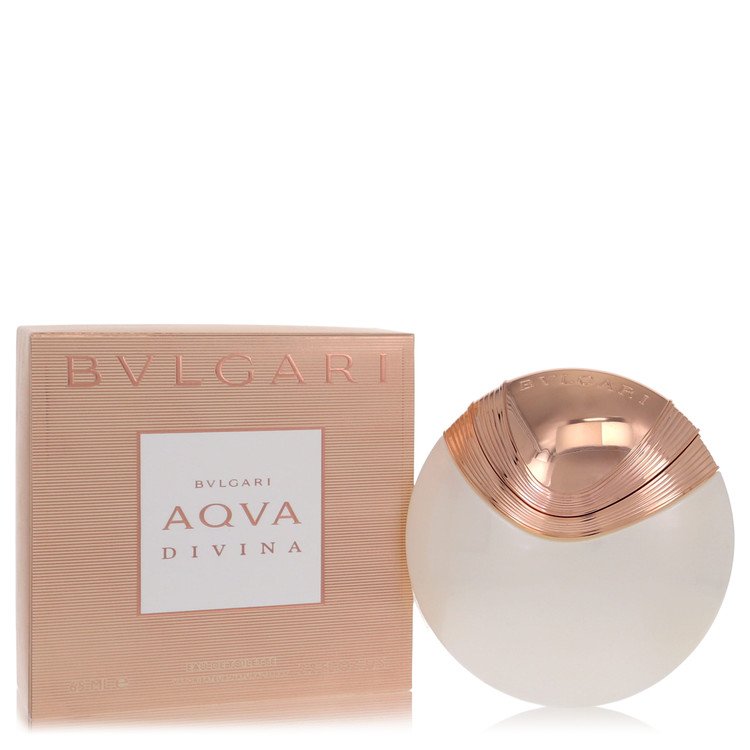
BvlgariBvlgari Aqua Divina Perfume by Bvlgari 2.2 oz EDT Spray for Women$106.40Compare prices →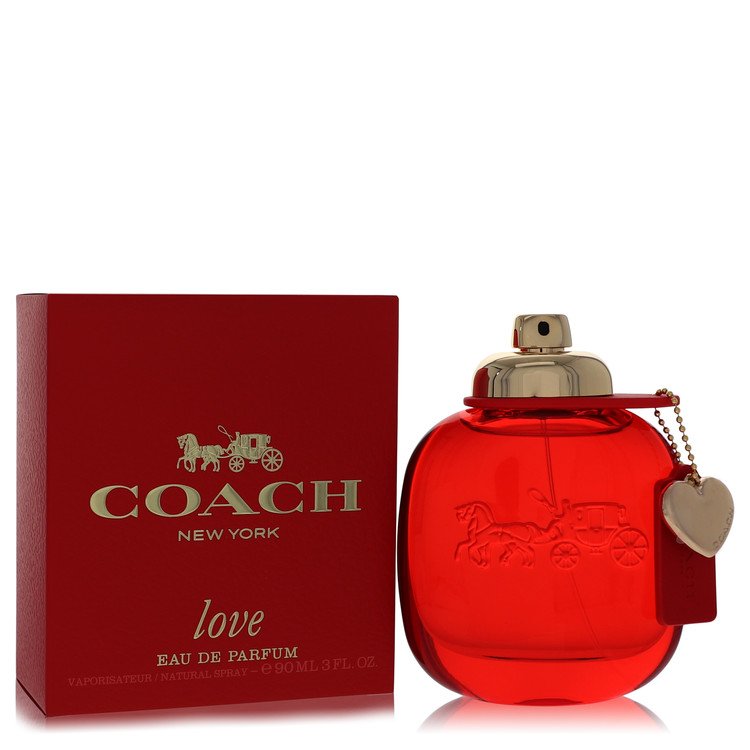 CoachCoach Love Perfume 3 oz EDP Spray (red packaging) for Women$63.16Compare prices →
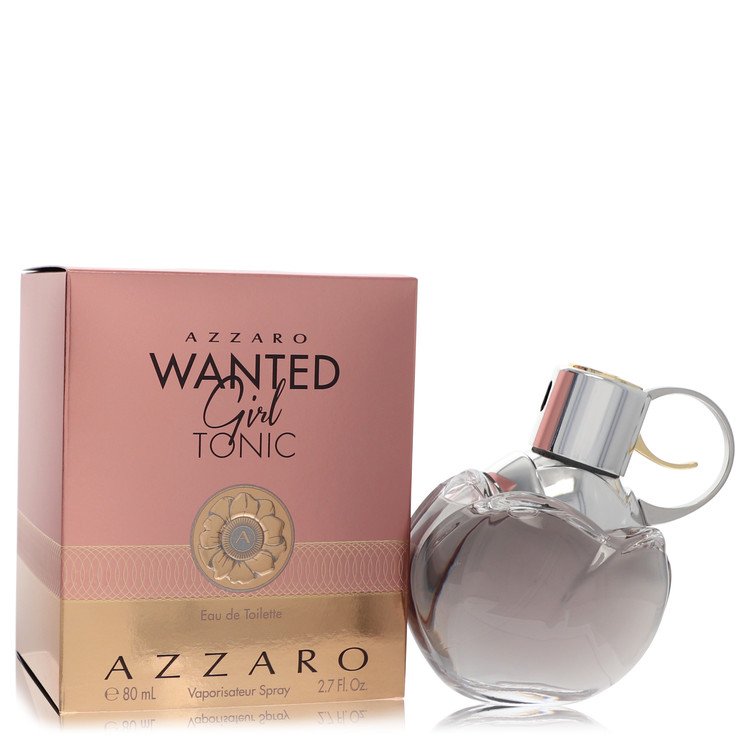 AzzaroAzzaro Wanted Girl Tonic Perfume by Azzaro 2.7 oz EDT Spray for Women$48.05Compare prices →
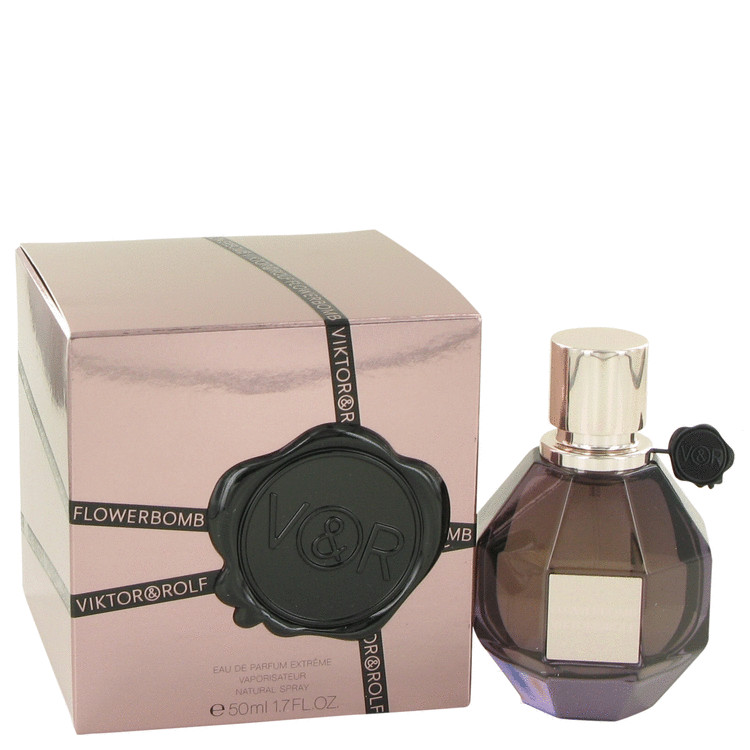 Viktor & RolfFlowerbomb Extreme Perfume 1.7 oz EDP Intense Spray for Women$109.15Compare prices →
Smell it before you buy it
Our directory lists brick-and-mortar perfume and fragrance stores in every US state, with addresses, phones, and websites, so you can test on skin before spending real money.
Find a fragrance store near you