A Beginner's Glossary of Fragrance Terms
Reading a fragrance review can feel like eavesdropping on a private conversation. Words like sillage, accord, and dry down get thrown around as if everyone already knows them. The good news is that the vocabulary is small and logical. Once you learn a handful of terms, reviews become useful, store visits get easier, and you can finally describe why you love or dislike a scent.
Why a Shared Vocabulary Helps
Smell is famously hard to put into words, so the fragrance world borrows a shared set of terms to make comparison possible. Having the right word lets you tell a sales associate exactly what you want and lets you weigh one reviewer's opinion against another. It also sharpens your own perception, because naming what you smell helps you notice it. Beginners often feel that everything smells vaguely nice or unpleasant, but with a few labels the same fragrance starts to separate into distinct parts you can talk about and remember.
The Core Structure Terms
These describe how a fragrance is built and how it moves over time.
- Note: a single identifiable smell within a fragrance, such as lemon or rose.
- Accord: a blend of several notes perceived as one new smell, the way musical notes form a chord.
- Top, heart, and base notes: the layers that appear in sequence as the perfume evaporates, described in the US National Library of Medicine overview of perfume structure, where light top notes give way to a heart and finally to heavy, slow base notes.
- Dry down: the final stage of wear, when only the base notes remain, sometimes hours after application.
The Performance Terms
These describe how a fragrance behaves once it is on your skin.
- Longevity: how long a scent remains detectable. It depends heavily on base notes and fixatives, materials that slow evaporation and hold lighter notes in place.
- Projection: how far the scent radiates from your body.
- Sillage: the scented trail you leave behind as you move through a room.
Longevity is closely tied to the balance of volatilities a perfumer chooses. A peer reviewed analysis of how perfumes are composed notes that a good fragrance mixes fast and slow evaporating materials, which is exactly why a scent can open loudly, then quietly persist for hours.
The Concentration Terms
These signal how much aromatic material a bottle contains, which shapes both strength and price. The standard concentration categories run from parfum or extrait at the rich end, through eau de parfum and eau de toilette in the middle, down to eau de cologne at the light end. Higher concentration usually means more presence and longer wear, though not necessarily a better fragrance.
The Family Terms
Finally, fragrances are grouped into broad families that describe their overall character.
- Fresh: bright and clean, covering citrus, green, and aquatic styles.
- Floral: built around flowers, from single blooms to lush bouquets.
- Woody: dry or creamy notes like cedar, sandalwood, and vetiver.
- Amber: warm, sweet, and resinous, an increasingly common replacement for the older term oriental.
Putting the Glossary to Work
With these terms in hand, a review that once read like code becomes practical guidance. When someone praises a scent's sillage but warns of weak longevity, you now know it will announce you when you enter a room yet may need a refresh by afternoon. Keep this glossary nearby as you sample, and the language will quickly become second nature. Within a few weeks of paying attention, you will start reaching for these words automatically, and choosing your next fragrance will feel far less like guesswork and far more like an informed decision.
Compare prices on fragrances from this guide
FragranceX prices shown, recorded when this page was built. Open any bottle to compare it against live Amazon and eBay listings.
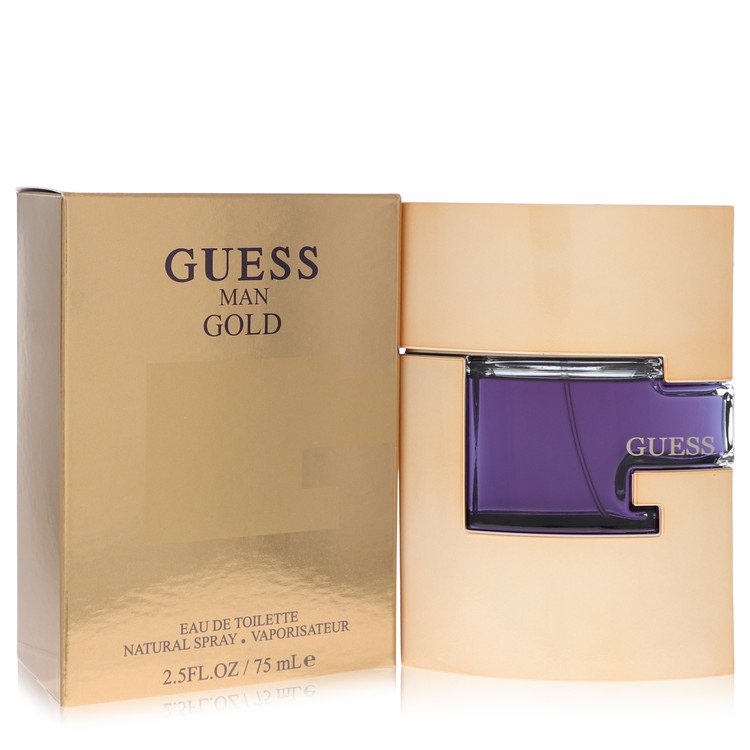
GuessGuess Gold Cologne by Guess 2.5 oz EDT Spray for Men$22.64Compare prices →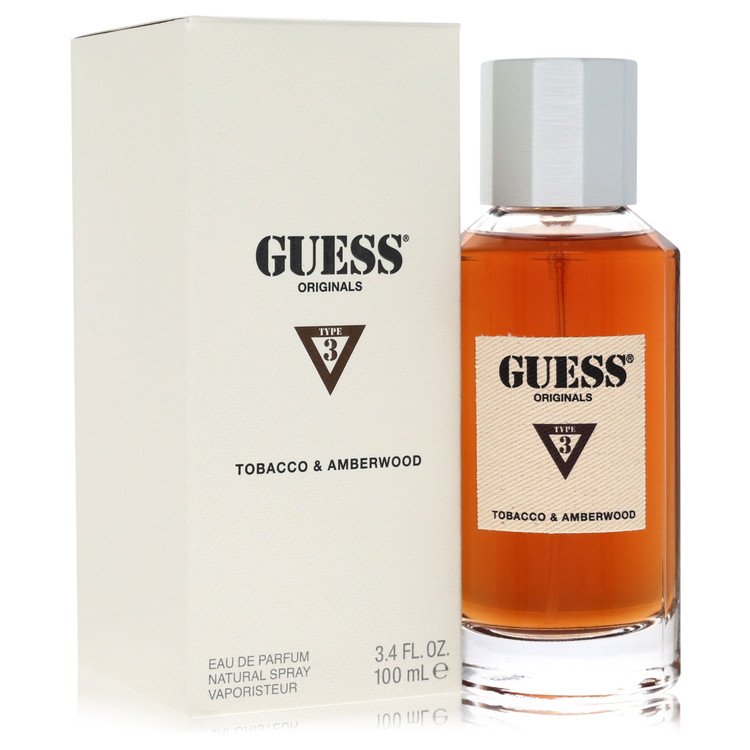 GuessGuess Originals Type 3 Tabacco & Amberwood Cologne 3.4 oz EDP Spray for Men$30.20Compare prices →
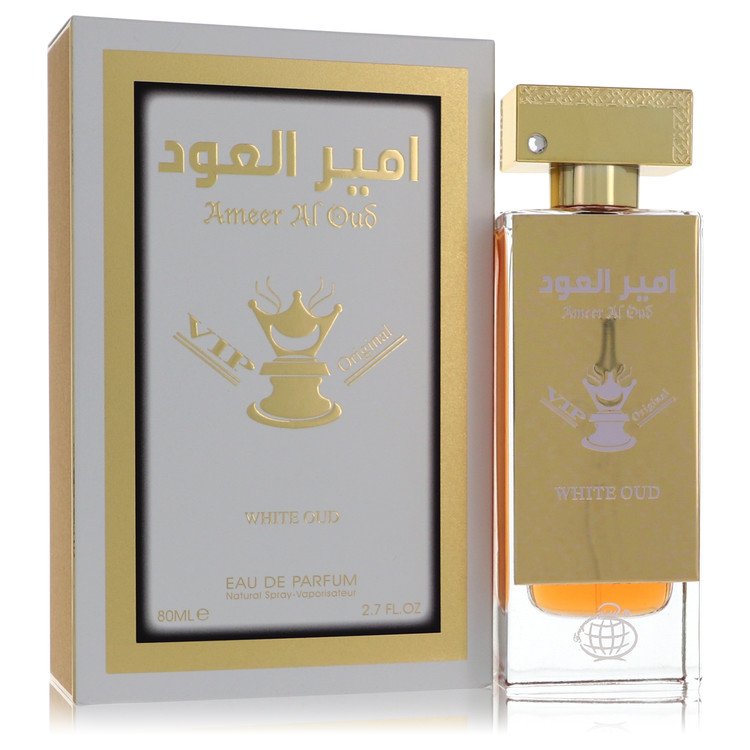 Fragrance WorldAmeer Al Oud Vip Original White Oud Cologne 2.7 oz EDP Spray (Unisex) for Men$29.99Compare prices →
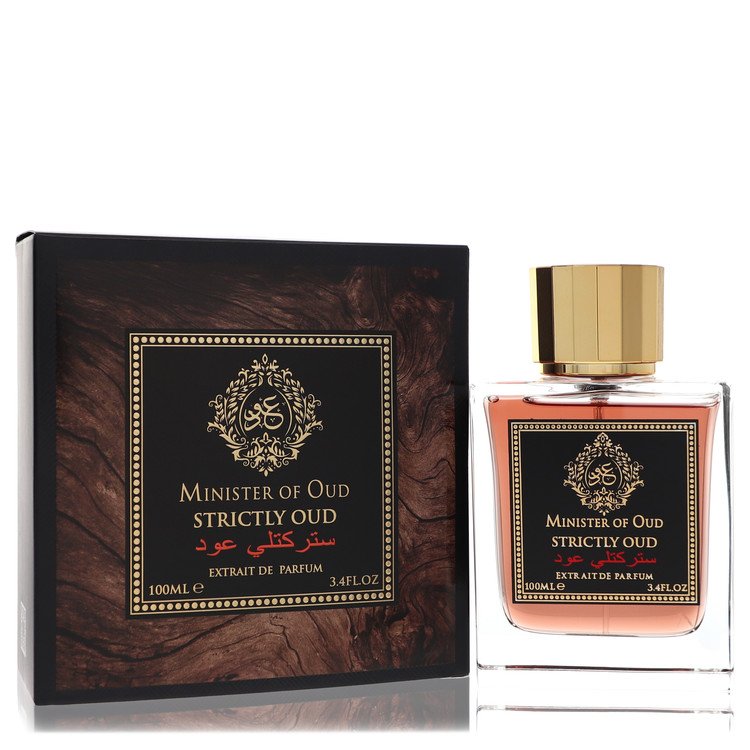 Fragrance WorldMinister Of Oud Strictly Oud Pure Perfume 3.4 oz Extrait De Parfum Spray for Men$19.99Compare prices →
Smell it before you buy it
Our directory lists brick-and-mortar perfume and fragrance stores in every US state, with addresses, phones, and websites, so you can test on skin before spending real money.
Find a fragrance store near you