Spicy Notes: Cardamom, Pepper, and Cinnamon in Scent
Spices give perfume its pulse. A pinch of pepper can make a citrus opening sparkle, and a whisper of cinnamon can turn a vanilla base into something that smells like a holiday kitchen. Yet the spicy family is more varied than most people expect, ranging from cool and airy to deep and glowing. Learning to tell these effects apart makes it much easier to choose a spicy scent you will actually enjoy wearing.
Warm spices versus fresh spices
Perfumers loosely split spice notes into two camps. Warm spices, such as cinnamon, clove, nutmeg, and cumin, feel dense and radiant. They read as cozy and are often used to add richness to woody, amber, and gourmand compositions. Fresh or cool spices, such as pink pepper, black pepper, and cardamom, feel bright and slightly biting. Rather than adding weight, they add lift, sharpening a fragrance and giving its opening a crisp, energetic snap.
Pink pepper and cardamom as modern openers
Two spices dominate contemporary perfumery. Pink pepper offers a rosy, sparkling pepperiness without much heat, which makes it a favorite for adding a modern shimmer to florals and fresh scents. Cardamom brings a cool, slightly camphorous and aromatic quality that pairs beautifully with citrus and coffee. Both sit near the top of a composition, so they define first impressions and then gracefully step aside as the heart develops.
Cinnamon, clove, and the question of skin safety
The warm spices are wonderful, but some of their key aroma molecules are also well documented skin sensitizers, meaning they can trigger allergic reactions in susceptible people over time. Cinnamon owes much of its character to cinnamaldehyde, and clove is rich in eugenol. According to the European Commission's scientific review of contact allergy to fragrance ingredients, both cinnamal and eugenol are among the most frequently reported and well recognized consumer allergens, and repeated skin exposure is what drives sensitization.
This is why the fragrance industry places firm limits on how much of these materials a formula may contain. The IFRA Standards library, maintained by the International Fragrance Association, publishes restrictions and outright prohibitions for individual materials, including cinnamic aldehyde, setting maximum concentrations by product type based on safety data. So when a cinnamon heavy scent smells slightly restrained compared with the actual spice, that restraint is often deliberate and protective rather than a shortcut.
How spices add lift and complexity
Even in tiny amounts, spices do a lot of work. Because many spice molecules are potent and slightly volatile, a trace can make a whole composition feel more three dimensional. A few practical roles they play:
- Sharpening a soft floral so it does not read as flat or sleepy.
- Bridging a fresh top and a warm base so the transition feels smooth.
- Adding a sense of movement, since the tingle of pepper suggests energy.
- Deepening sweetness, so a gourmand base tastes spiced rather than sugary.
Seasonal fit for spicy compositions
Warm spicy scents shine in cooler months. Cold air tends to mute projection, and the richness of cinnamon, clove, and nutmeg pushes back against that, filling in the space around you. Cool spices behave differently. Pink pepper and cardamom keep their sparkle even in heat, which is why you will find them in plenty of spring and summer releases. If you love spice but find heavy versions overwhelming in warm weather, reaching for a cardamom or pepper forward scent is an easy way to enjoy the family year round.
Spices reward a little patience. Give a spicy fragrance time on skin, notice whether it leans cool or warm, and you will start to recognize the small, powerful materials that give so many perfumes their character.
Compare prices on fragrances from this guide
FragranceX prices shown, recorded when this page was built. Open any bottle to compare it against live Amazon and eBay listings.
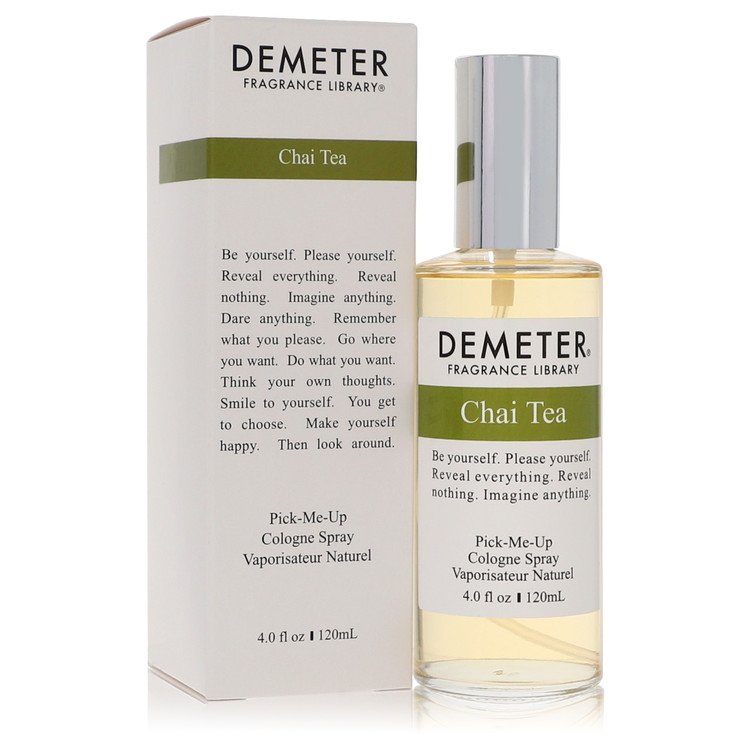
DemeterDemeter Chai Tea Perfume by Demeter 4 oz Cologne Spray for Women$19.99Compare prices →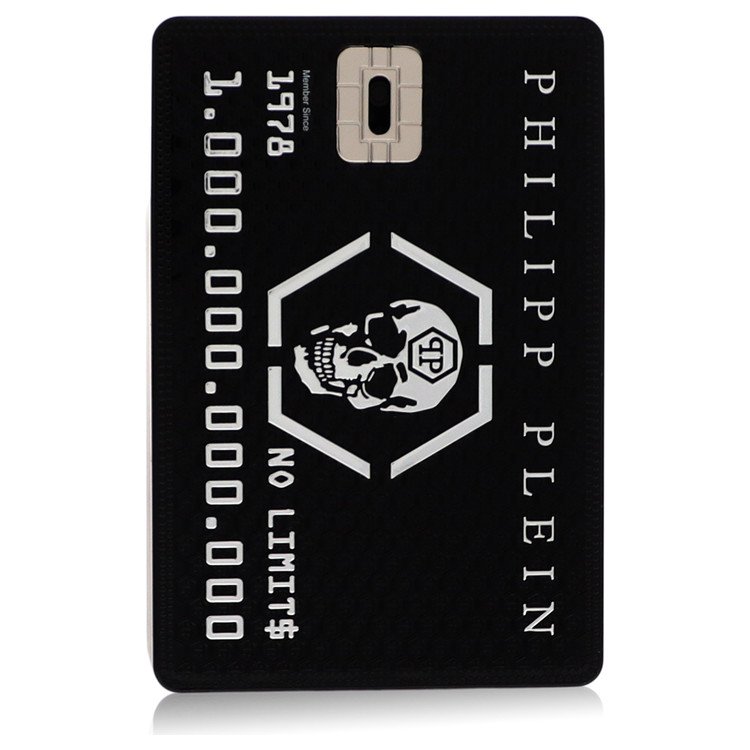 Philipp Plein ParfumsPhilipp Plein No Limits Cologne 3 oz EDP Spray (unboxed) for Men$50.99Compare prices →
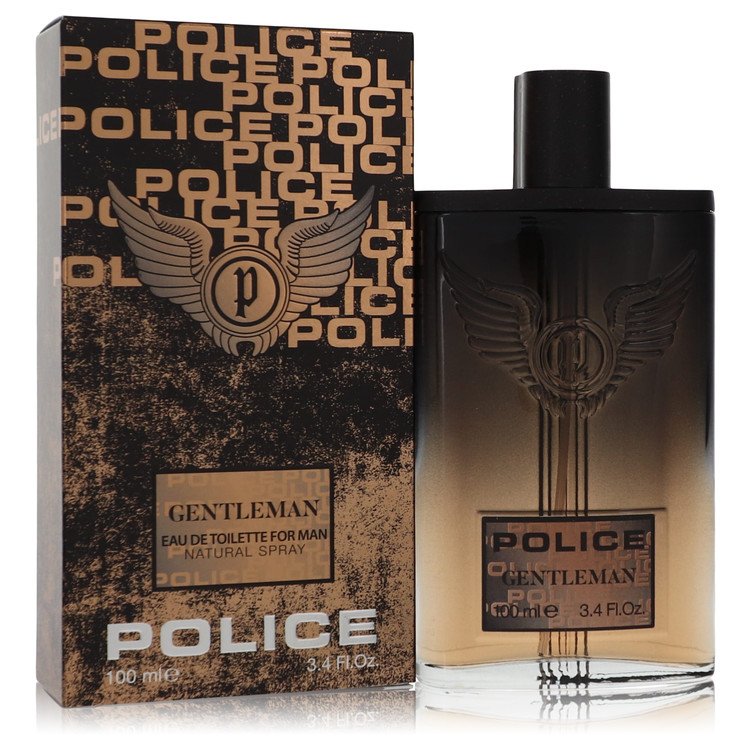 Police ColognesPolice Gentleman Cologne by Police Colognes 3.4 oz EDT Spray for Men$17.15Compare prices →
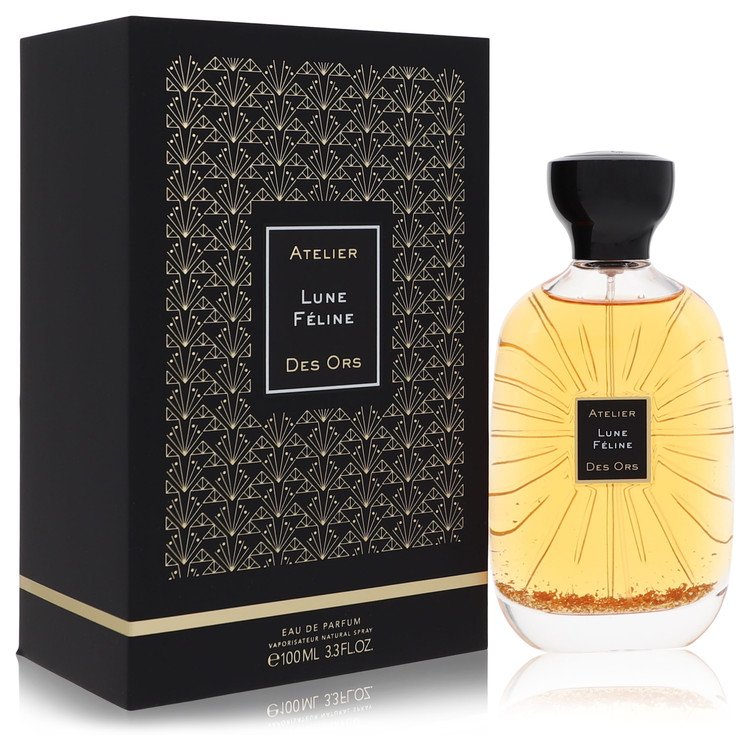 Atelier Des OrsLune Feline Perfume 3.4 oz EDP Spray (Unisex) for Women$171.63Compare prices →
Smell it before you buy it
Our directory lists brick-and-mortar perfume and fragrance stores in every US state, with addresses, phones, and websites, so you can test on skin before spending real money.
Find a fragrance store near you