Aquatic and Marine Notes: How the Ocean Is Bottled
Few fragrance ideas feel as vivid as the smell of the sea. A good aquatic scent can conjure salt spray, damp stone, and the cool air just before a storm. What surprises most people is that these impressions are almost never captured from the ocean itself. Seawater has very little scent that can be distilled into a bottle, so perfumers reconstruct the feeling of the ocean using aroma molecules, most of them made in a laboratory.
The molecule that invented the sea breeze
The modern aquatic family owes its existence largely to a single synthetic material called Calone, sometimes sold as Calone 1951. Its chemical name is methyl benzodioxepinone, and it is cataloged in the National Library of Medicine database as PubChem compound CID 120101 with the formula C10H10O3. Interestingly, it was not created to smell like anything pleasant. It was discovered by Pfizer chemists in 1966 during pharmaceutical research, and only later did its powerful sea breeze and watermelon character become useful to perfumers.
As the reference entry on the history and use of Calone notes, the material produces an intense sea breeze note with slight floral and fruity overtones, and it moved from a quiet supporting role in the 1980s to a dominant one during the marine trend of the 1990s. Scents from that decade leaned heavily on it, and for many people the smell of Calone simply is the smell of that era.
Why marine notes are almost entirely synthetic
Reproducing water is a chemistry problem, not a harvesting one. Perfumers cannot press an oil from the sea the way they cold press oil from a lemon peel, so they assemble the impression from odor active molecules. Calone provides the core ozonic, melon like freshness. Around it, perfumers add other synthetics that suggest ozone, wet air, and a slightly saline quality, sometimes alongside small amounts of natural materials like seaweed absolute or moss for depth.
Because these molecules are relatively small and volatile, they tend to sit near the top and heart of a composition. That is why an aquatic fragrance often greets you with a bright, airy freshness that gradually softens rather than staying at full force all day. Understanding this helps set realistic expectations: marine notes are about mood and openness more than heavy, long lasting sillage.
How the fresh air effect is constructed
Perfumers think in accords, meaning blends of materials that read as one idea. A believable ocean accord usually balances a few effects at once:
- A cool ozonic lift that mimics air after rain or near crashing waves.
- A watery, slightly fruity transparency, which is where Calone shines.
- A faint mineral or salty edge that keeps the scent from smelling like candy.
- Occasionally a green or floral touch that suggests coastline plants.
Layered together, these create the illusion of standing at the shore even though every element was measured out on a scale.
Pairing aquatics with citrus and woods
Marine notes are flexible partners. Citrus materials such as bergamot and grapefruit amplify the sense of brightness and make a scent feel sunlit and energetic. On the other side, woody or musky bases give an aquatic fragrance something to hold onto, extending its life on skin and grounding the airy top. A splash of aromatic herbs can push the composition toward a clean, sporty character that many people associate with modern casual perfumery.
Best seasons and occasions
Aquatics are natural warm weather choices. Their lightness and cooling impression suit heat, humidity, and daytime settings, and their generally moderate projection makes them comfortable in offices and other shared spaces. In cold weather they can feel thin, since low temperatures mute their already volatile molecules, so many wearers treat them as spring and summer companions and rotate to warmer families when the air turns crisp.
The next time an aquatic scent transports you to the coast, remember that you are smelling a careful piece of chemistry. The ocean was not bottled so much as it was reverse engineered, one clever molecule at a time.
Compare prices on fragrances from this guide
FragranceX prices shown, recorded when this page was built. Open any bottle to compare it against live Amazon and eBay listings.
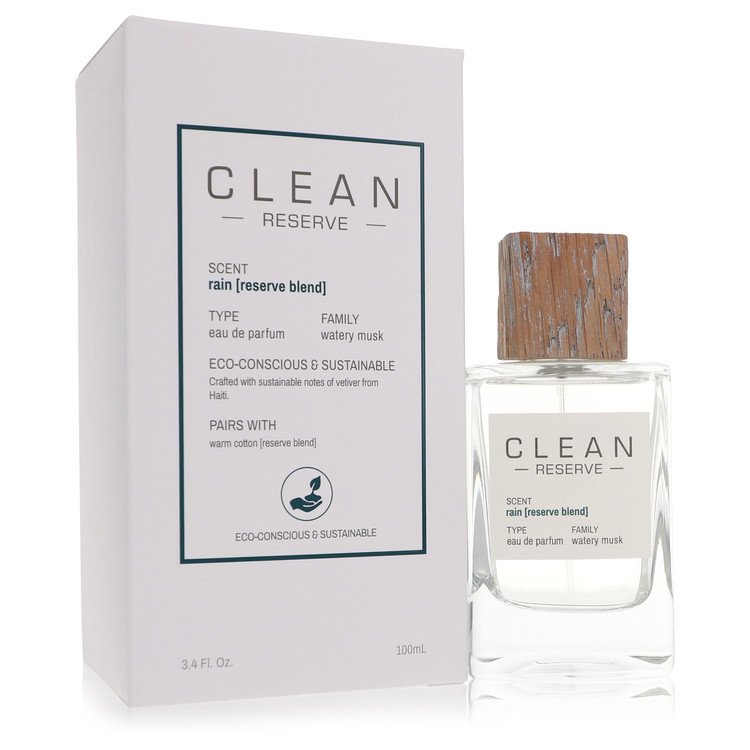
CleanClean Rain Reserve Blend Perfume by Clean 3.4 oz EDP Spray for Women$72.76Compare prices →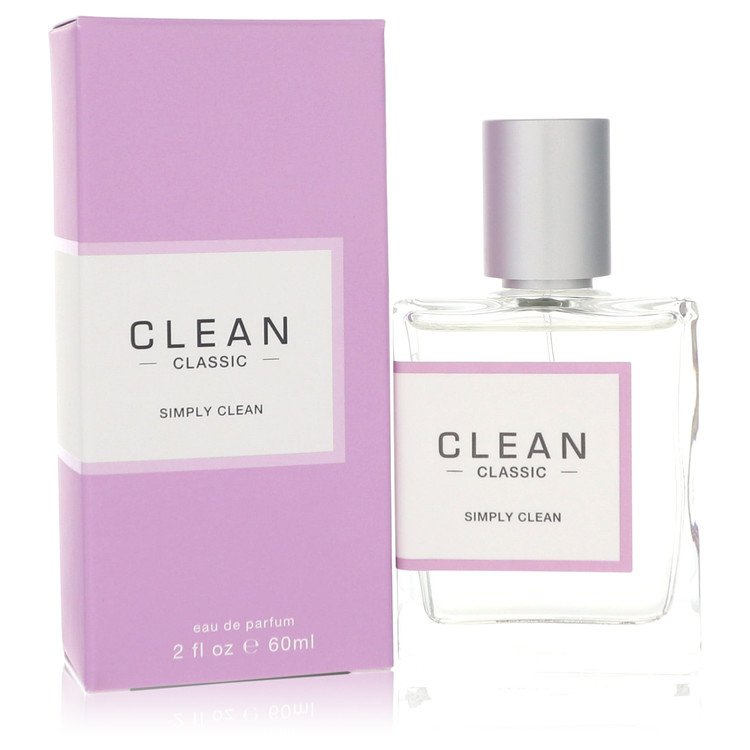 CleanClean Simply Clean Perfume 2 oz EDP Spray (Unisex) for Women$34.31Compare prices →
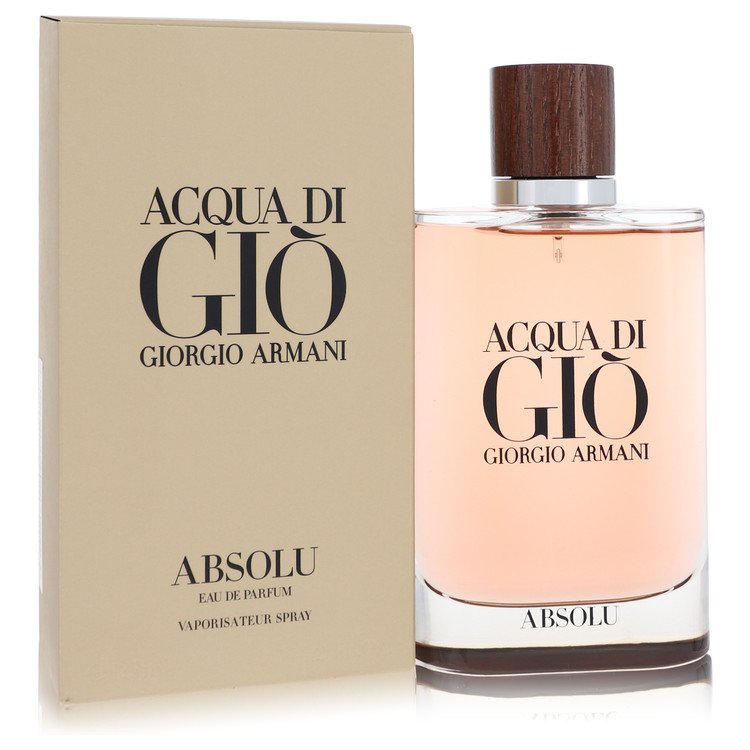 Giorgio ArmaniAcqua Di Gio Absolu Cologne by Giorgio Armani 4.2 oz EDP Spray for Men$181.92Compare prices →
 Marmol & SonWonder Woman Perfume by Marmol & Son 8 oz Body Spray for Women$8.23Compare prices →
Smell it before you buy it
Our directory lists brick-and-mortar perfume and fragrance stores in every US state, with addresses, phones, and websites, so you can test on skin before spending real money.
Find a fragrance store near you