What Is Ambergris and Where Does It Come From?
Ambergris has one of the most unlikely backstories in all of perfumery. It has been called floating gold, has sold for more than its weight in precious metal, and yet it begins as a waste product inside a whale. For centuries it was one of the most valued materials a perfumer could own. Today it sits at the center of a genuine ethical and legal debate, which is why understanding it matters more than ever.
A substance born inside a sperm whale
Ambergris forms in the digestive system of the sperm whale. Squid and cuttlefish, a major part of the whale's diet, have hard, indigestible beaks, and occasionally these become lodged in the intestines. The whale's body responds by coating the mass in a waxy secretion, somewhat like an oyster forming a pearl around an irritant. According to Smithsonian Magazine's account of the history and formation of ambergris, the material is eventually expelled by the whale and forms in only about one in a hundred animals, which is part of why it is so rare.
How it ages at sea into a prized fixative
Fresh ambergris is not pleasant. It is dark, greasy, and carries a strong fecal odor. The transformation happens over years spent floating in the ocean, exposed to sun and saltwater. During this slow curing, it hardens, lightens to shades of gray or white, and develops the sweet, marine, animalic warmth perfumers prize. Beyond its own scent, ambergris works as a fixative, meaning it slows the evaporation of a fragrance and helps the whole composition last longer on skin. That combination of unusual aroma and performance is exactly what made it so sought after.
Legal status and trade restrictions
Because ambergris comes from an endangered animal, its legal status is complicated and varies widely between countries. In the United States, the sperm whale is protected, and federal authorities treat ambergris as a regulated marine mammal part. NOAA Fisheries states plainly on its guidance about protected species parts that you may not collect, keep, or sell ambergris, because it is part of an endangered marine mammal, regardless of whether the whale expelled it naturally. Other countries, including some where beachcombers regularly find it, take a more permissive view, so the rules genuinely depend on where you stand.
Synthetic substitutes have largely taken over
Given the rarity, cost, and legal complications, the fragrance industry moved decisively toward synthetic alternatives. The most important is Ambroxan, also known as ambroxide or ambrafuran, a molecule that captures much of ambergris's warm, salty, radiant character. A scientific review of ambrafuran production notes that, due to the endangered status of the sperm whale, synthetic ambroxides have now replaced ambergris in perfume manufacture, with the material produced from renewable plant precursors such as sclareol from clary sage. When you see amber or ambergris style notes listed today, they are almost always these lab made substitutes rather than the real thing.
Ethical considerations for modern perfumery
For a conscientious fragrance lover, a few points help make sense of the ambergris question:
- Natural ambergris is a byproduct, not obtained by harming whales, but it is still legally tied to a protected species in many places.
- Laws vary dramatically by country, so possession that is legal in one place can be an offense in another.
- High quality synthetics now deliver much of the same effect without any legal or conservation baggage.
The romance of floating gold is real, and its history is genuinely fascinating. Yet for almost every wearer today, the amber warmth in a favorite fragrance comes from clever chemistry rather than the belly of a whale, and that is a change worth appreciating.
Compare prices on fragrances from this guide
FragranceX prices shown, recorded when this page was built. Open any bottle to compare it against live Amazon and eBay listings.
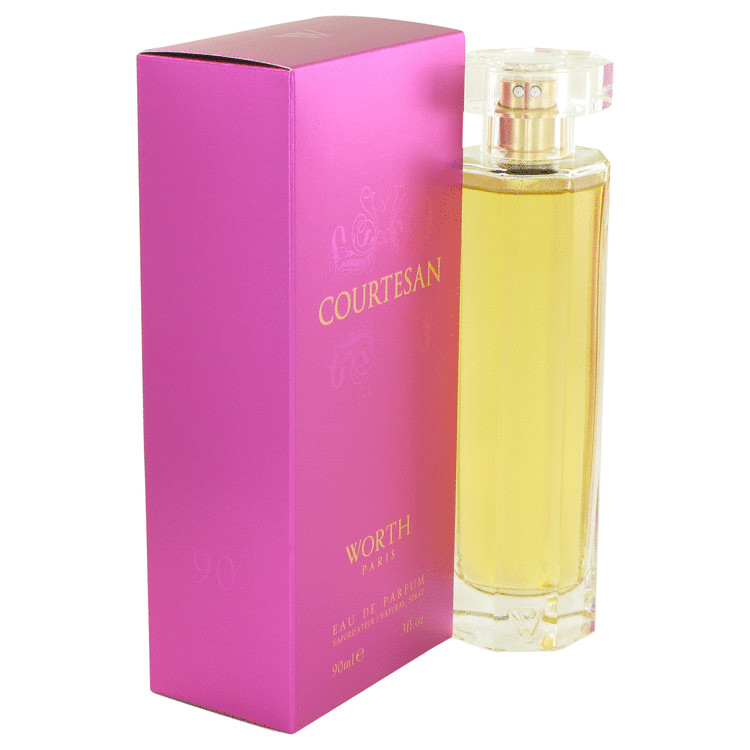
WorthCourtesan Perfume by Worth 3 oz EDP Spray for Women$48.05Compare prices →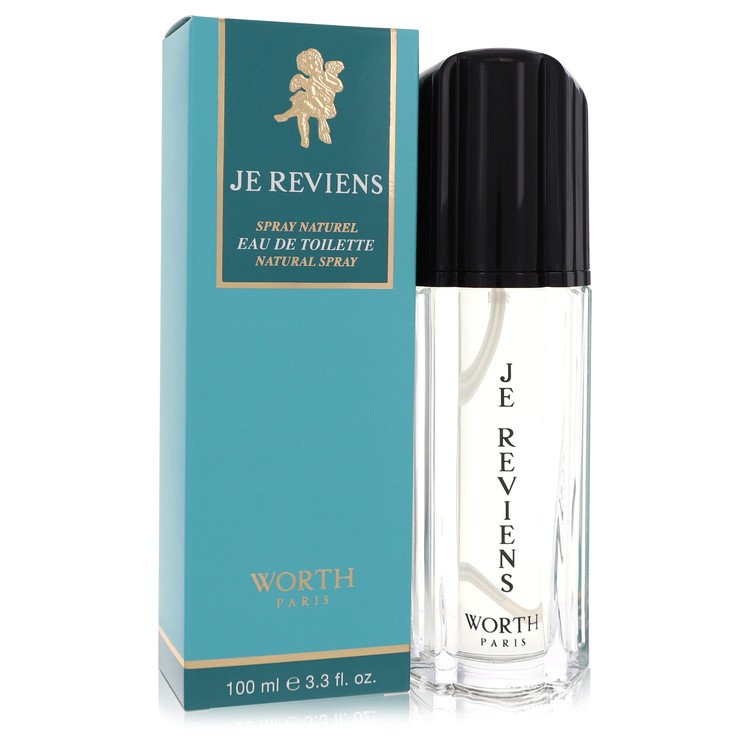 WorthJe Reviens Perfume by Worth 3.3 oz EDT Spray for Women$22.64Compare prices →
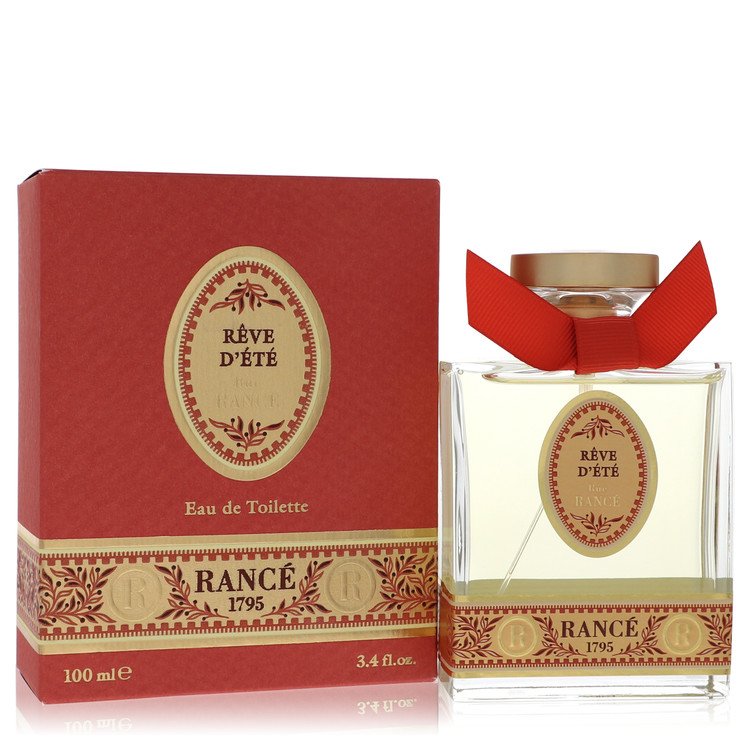 RanceReve D'ete Perfume by Rance 3.4 oz EDT Spray for Women$67.96Compare prices →
 RanceHelene Perfume by Rance 3.4 oz EDP Spray for Women$48.05Compare prices →
Smell it before you buy it
Our directory lists brick-and-mortar perfume and fragrance stores in every US state, with addresses, phones, and websites, so you can test on skin before spending real money.
Find a fragrance store near you