Fragrance Sensitivity in the Workplace
Your favorite scent might be someone else's headache. That sounds like an exaggeration until you look at the numbers on fragrance sensitivity in shared spaces. For a meaningful slice of the working population, walking past a coworker's perfume cloud is not a minor annoyance but the start of a genuine physical reaction. Understanding this is part of wearing fragrance responsibly.
How Common Is It, Really?
More common than most fragrance lovers assume. Population surveys led by researchers studying scented consumer products have found that around a third of adults report adverse health effects when exposed to fragranced products. In one nationally representative study, 33 percent of respondents reported health problems such as migraine headaches and asthma attacks triggered by fragranced products. The same research documented a striking workplace angle. Roughly 7.7 percent of respondents said they had lost workdays or even a job because of illness from fragranced product exposure on the job.
These are not people being fussy. For a portion of them, the effects rise to a level that could be considered disabling, which reframes the whole conversation from personal taste to shared air quality.
What Coworkers Actually Experience
The symptoms reported are physical and varied. Occupational health guidance from the Canadian Centre for Occupational Health and Safety lists reactions to scented products that include headaches, dizziness, nausea, fatigue, upper respiratory symptoms, shortness of breath, and skin irritation. For people with asthma or migraine disorders, a strong scent can be a direct trigger rather than a vague dislike.
Importantly, this reaction happens at exposure levels that most people tolerate without noticing. The person reacting is not smelling something different from you; their body is simply responding to it differently. That is why willpower and politeness cannot fix it on their end, and why the burden shifts to how the rest of us apply scent.
Why Scent-Free Policies Exist
This is the backdrop for the growing number of fragrance-free workplace policies. They are not anti-perfume prudishness. The occupational health guidance frames environmental sensitivity as a recognized medical condition, noting that accommodation can be required under human rights legislation. In practice, that means an employer may need to limit fragranced products so an affected employee can work safely.
Research on the topic supports the approach. A review of fragrance-free policies found that a majority of fragrance-sensitive people support such measures and documented that a substantial share of sensitive workers reported lost workdays due to fragrance exposure. The policies exist because the alternative is that some people simply cannot participate fully in the workplace.
Being a Considerate Colleague
You do not have to give up fragrance entirely to be thoughtful about it at work. A few habits go a long way.
- Apply lightly. One or two sprays close to the body is plenty for an indoor setting. Save the generous application for open-air weekends.
- Aim for skin scents. Choose lower-projection compositions for the office and keep the powerful, room-filling bottles for other occasions.
- Apply at home, not at your desk. Spraying near a workstation or in a shared restroom concentrates the scent exactly where people cannot escape it.
- Respect stated policies and requests. If your workplace is scent-free or a colleague quietly mentions a sensitivity, treat it as you would any other health accommodation.
- Watch for feedback. Repeated coughing, someone moving away, or a coworker keeping distance can be a polite signal that your sillage is doing the talking.
Balancing Personal Choice and Shared Air
None of this means fragrance is the enemy or that you should feel guilty for enjoying it. It means the right amount of scent depends on the room. In your own home, wear whatever you love as boldly as you like. In a shared office, the courteous default is restraint, because the person two desks over cannot open a window on their own biology. Wearing scent well in public is less about what smells good to you and more about leaving room for everyone else to breathe.
Compare prices on fragrances from this guide
FragranceX prices shown, recorded when this page was built. Open any bottle to compare it against live Amazon and eBay listings.
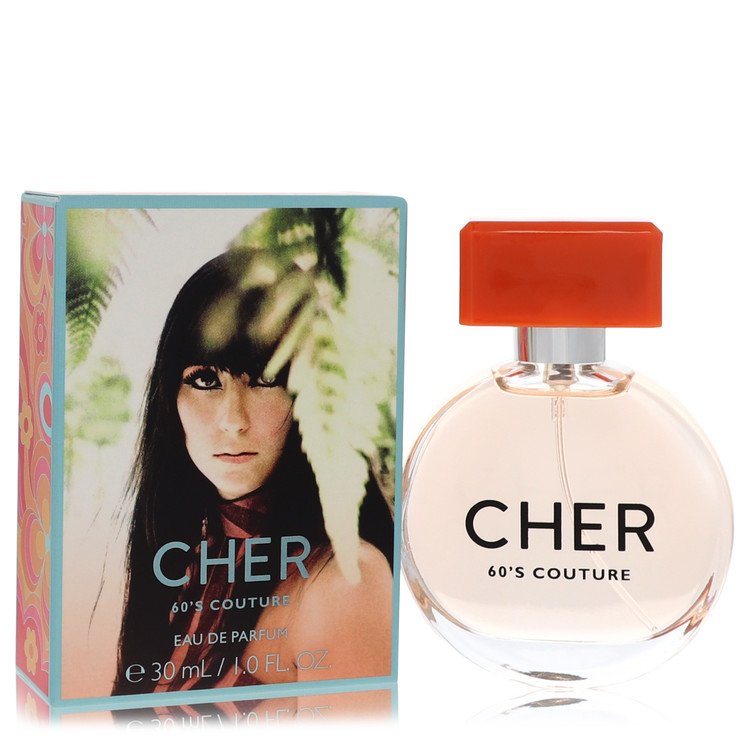
CherCher Decades 60's Couture Perfume by Cher 1 oz EDP Spray for Women$10.97Compare prices →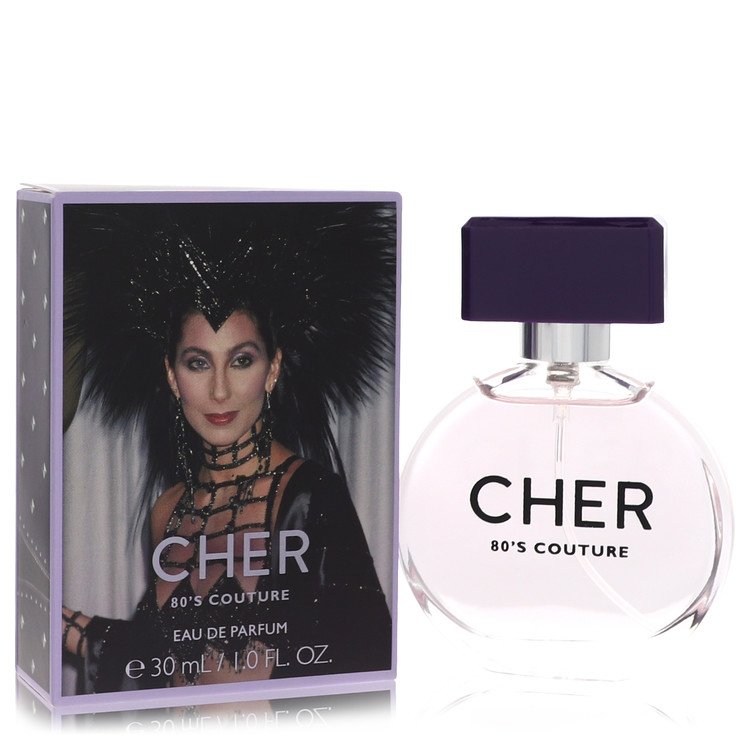 CherCher Decades 80's Couture Perfume by Cher 1 oz EDP Spray for Women$10.28Compare prices →
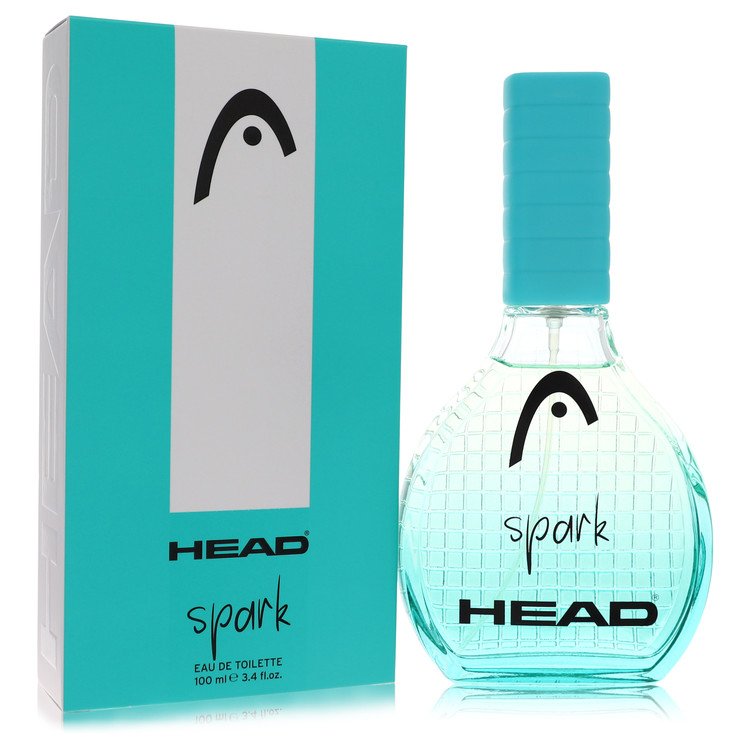 HeadHead Spark Perfume by Head 3.4 oz EDT Spray for Women$8.23Compare prices →
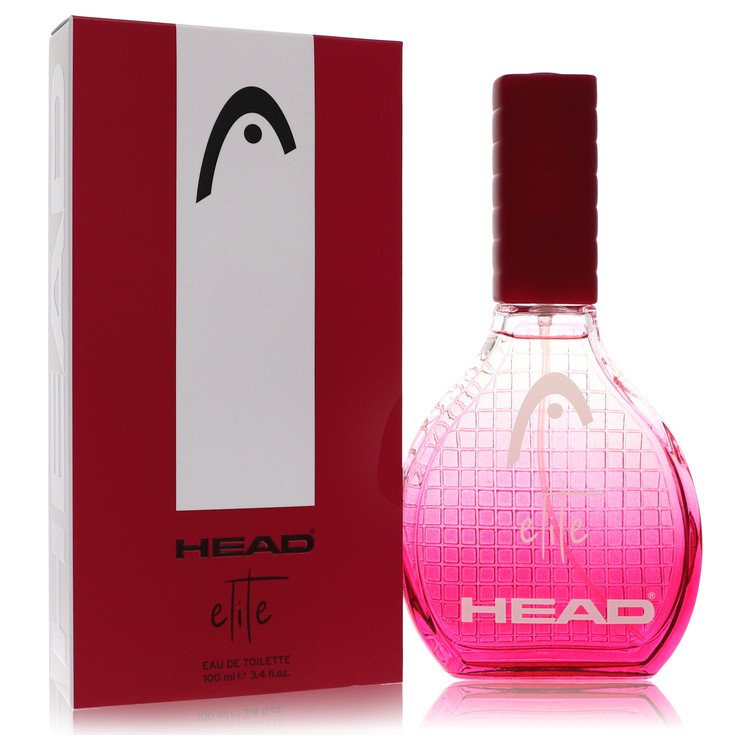 HeadHead Elite Perfume by Head 3.4 oz EDT Spray for Women$9.60Compare prices →
Smell it before you buy it
Our directory lists brick-and-mortar perfume and fragrance stores in every US state, with addresses, phones, and websites, so you can test on skin before spending real money.
Find a fragrance store near you