Are Phthalates in Perfume Something to Worry About?
Few ingredient names set off alarm bells like "phthalates." The word shows up in headlines about hormones, plastics, and personal care products, and many people now scan perfume labels hoping to avoid it. The reality is more specific and less dramatic than the panic suggests. Not all phthalates are the same, only one of them is common in fragrance, and its safety has been studied for decades.
What Phthalates Do in Perfume
Phthalates are a family of chemicals used across industry, most famously to make plastics flexible. In perfume, though, they play a narrower role. The main one you will encounter is diethyl phthalate, usually abbreviated DEP. It works as a solvent and a carrier that helps dissolve aroma materials evenly and can slow their evaporation, and it is also used to denature the alcohol base so it is undrinkable. According to the U.S. Agency for Toxic Substances and Disease Registry, diethyl phthalate is used in cosmetics among many other products, and it is a different compound from the heavier phthalates that draw the most safety concern.
That distinction matters. Much of the alarming research about phthalates and hormones focuses on compounds like DEHP and DBP, which have antiandrogenic effects in animal studies. DEP does not behave the same way, and it is important not to lump the whole family together.
What the Safety Reviews Found
Human exposure to DEP is real and widespread, because it appears in so many everyday products. Biomonitoring studies detect its breakdown product in the urine of almost everyone tested. The reassuring part is the scale of that exposure. A risk assessment integrating U.S. population biomonitoring data concluded that typical DEP exposure sits well below the reference dose derived from animal studies, with average human intake amounting to a small fraction of the level considered a safety threshold. On the specific question of cancer, the ATSDR statement notes that diethyl phthalate is not known to cause cancer in humans or animals, though it can be mildly irritating to skin in animal tests.
The Honest Caveats
None of this means the science is closed or that concern is irrational. A systematic review of animal toxicology studies found that DEP exposure, at high doses, showed moderate evidence of male reproductive and developmental effects such as changes in sperm quality and postnatal growth. The dividing line is dose. The effects seen in laboratory animals occurred at exposures far above what people absorb from wearing scented products. Notably, that same review found DEP did not produce the antiandrogenic effects of its heavier chemical cousins during gestational exposure, which sets it apart from the phthalates behind most of the hormone headlines.
So the picture is nuanced. The available regulatory reviews support DEP as safe at the low levels found in cosmetics, while researchers reasonably keep studying cumulative exposure, especially for pregnant people who may want to minimize contact out of caution.
How to Avoid Phthalates if You Prefer
If you would rather steer clear regardless of the risk math, a few practical steps help.
- Look for products explicitly labeled phthalate free. Many brands now market this directly.
- Read the ingredient list. DEP may appear by name, though it is often folded into the catch all term "fragrance" or "parfum," which is one reason full disclosure remains a live consumer issue.
- Choose lines that publish complete ingredient breakdowns, since transparency is the only way to be certain.
- Remember that removing DEP does not remove every ingredient that could irritate sensitive skin, so it is one factor among several.
The Bottom Line
Phthalates in perfume are not the villain the word alone implies. The single phthalate common in fragrance, DEP, has been repeatedly assessed and behaves differently from the compounds that generated the scary reputation, with real world exposure sitting far below levels of concern. Ongoing research is a sign of responsible caution, not proof of danger. If you want to avoid it, you can, but the decision is better made from evidence than from a single frightening word on a headline.
Compare prices on fragrances from this guide
FragranceX prices shown, recorded when this page was built. Open any bottle to compare it against live Amazon and eBay listings.
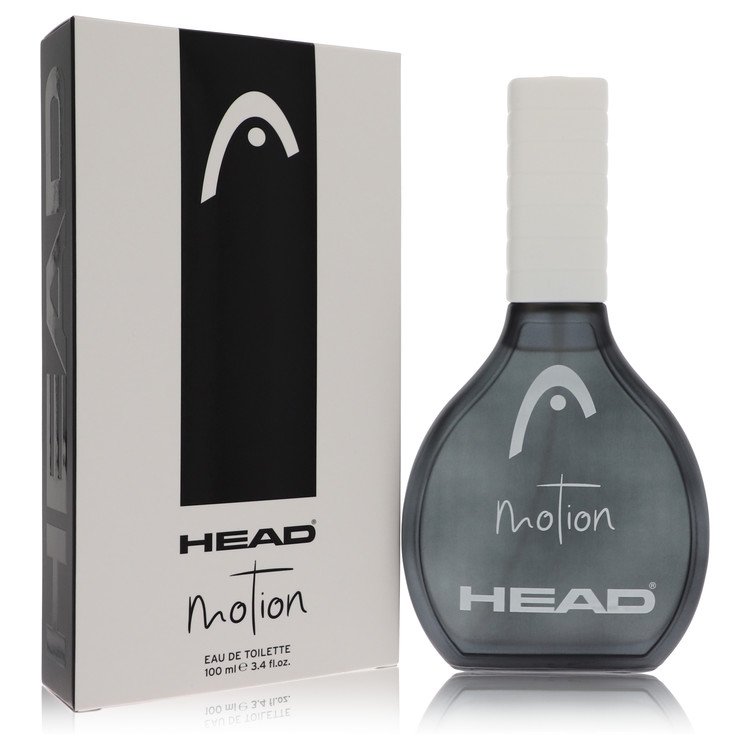
HeadHead Motion Cologne by Head 3.4 oz EDT Spray for Men$9.60Compare prices →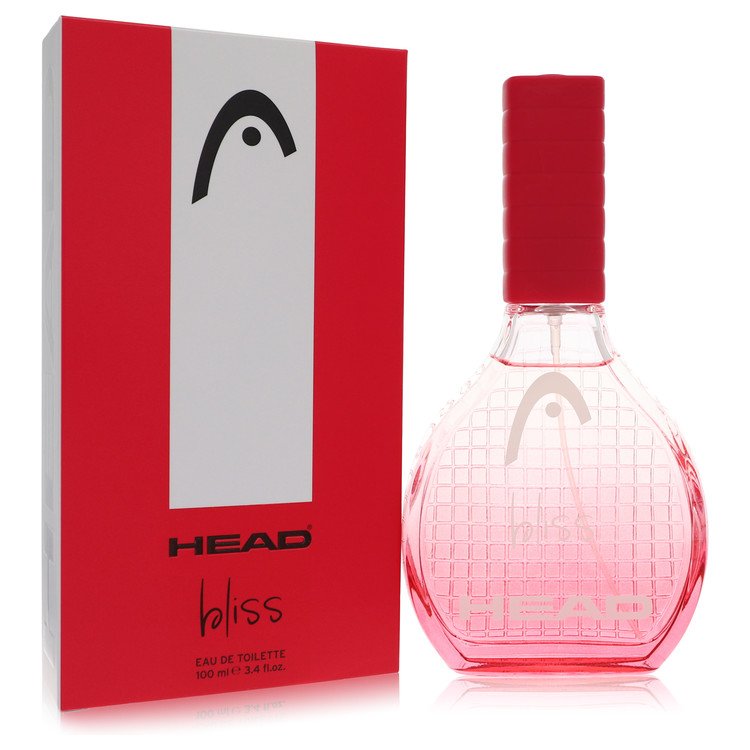 HeadHead Bliss Perfume by Head 3.4 oz EDT Spray for Women$9.60Compare prices →
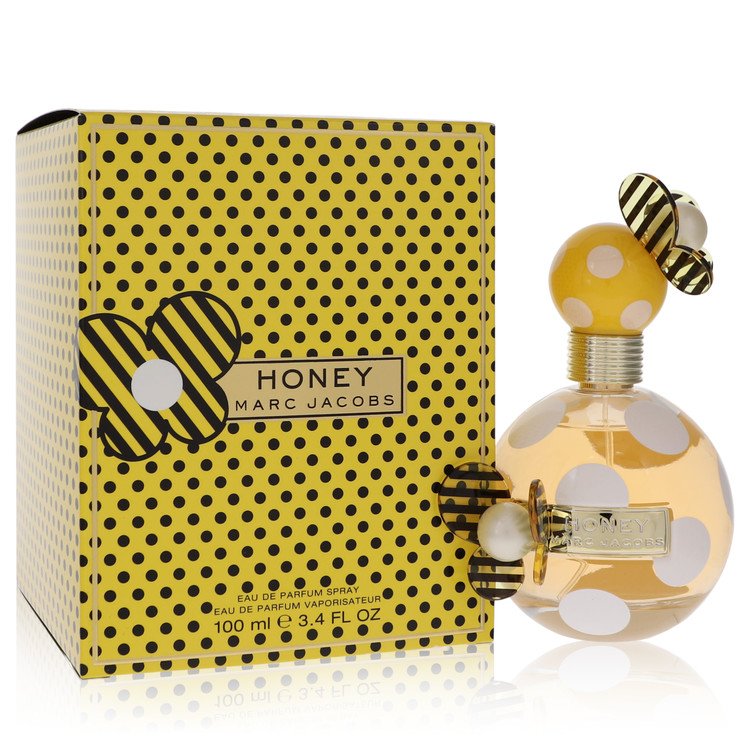 Marc JacobsMarc Jacobs Honey Perfume by Marc Jacobs 3.4 oz EDP Spray for Women$35.69Compare prices →
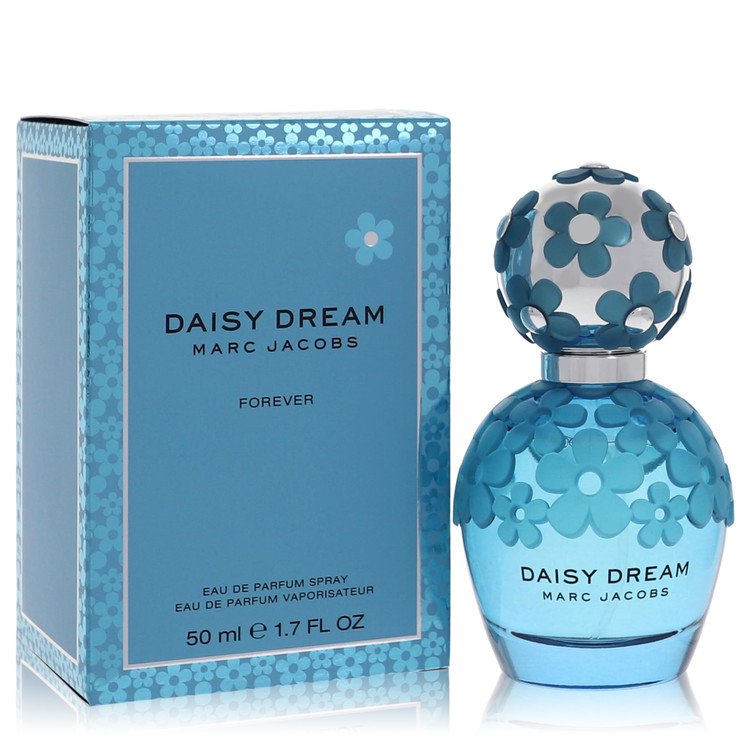 Marc JacobsDaisy Dream Forever Perfume by Marc Jacobs 1.7 oz EDP Spray for Women$81.00Compare prices →
Smell it before you buy it
Our directory lists brick-and-mortar perfume and fragrance stores in every US state, with addresses, phones, and websites, so you can test on skin before spending real money.
Find a fragrance store near you