Fragrance Allergies: Common Triggers and Symptoms
Fragrance makes daily life more pleasant, but for a meaningful share of people it also causes genuine skin trouble. Fragrance allergy is one of the most common forms of cosmetic-related allergic reaction, and it can develop even after years of using a product with no problem at all. Understanding how it shows up, what tends to trigger it, and how it is diagnosed helps you protect your skin without giving up scent entirely.
How a Fragrance Allergy Shows Up
The usual culprit is allergic contact dermatitis, a delayed immune reaction that appears where a scented product touched the skin. Fragrance is a common cause of allergic contact dermatitis, and reactions typically develop hours to a day or two after exposure rather than immediately. Symptoms include redness, itching, small bumps or blisters, dryness, flaking, and sometimes swelling. Common sites are the neck, wrists, and behind the ears where perfume is applied, along with the underarms or face from scented deodorants and creams. Because the reaction is delayed, people often struggle to connect a rash to the product that caused it.
Irritation Versus True Allergy
Not every reaction to a scented product is an allergy. Irritant reactions, which stem from something simply being harsh on the skin, can look similar but do not involve the immune system and often clear once the product is removed. A true allergy involves sensitization, meaning your immune system has learned to recognize a specific molecule and will react to it on future contact. That distinction matters, because once you are genuinely allergic to a fragrance material, even small amounts can set off a response, and the sensitivity generally does not fade with time.
Common Trigger Ingredients
Allergy potential varies widely from one aroma material to the next. Reviews of fragrance contact allergy consistently identify a handful of frequent offenders, and clinics screen for them using standardized mixtures such as the fragrance mix panels that bundle several well-known allergens together. Materials often implicated include oakmoss, isoeugenol, cinnamal, hydroxycitronellal, and certain oxidized forms of otherwise mild ingredients like linalool and limonene, which become more sensitizing as they age and react with air. Importantly, natural does not mean safe here. Many of these allergens occur in essential oils and botanical extracts, so a natural or botanical label is no guarantee against a reaction.
The Regulated Allergen List
Regulators have responded by requiring disclosure of the most established allergens. Under European Union rules, a defined set of fragrance allergens must be individually labelled on cosmetics when they exceed set concentration thresholds, rather than being hidden inside the generic word parfum. This list began with 26 named substances and has since been expanded considerably. For anyone who has identified a specific trigger, these labels are invaluable, because they let you scan an ingredient list and spot a problem material before you buy or apply a product.
Getting a Diagnosis
If you suspect a fragrance allergy, the reliable way to confirm it is patch testing performed by a dermatologist or allergist. Small amounts of standardized allergens, including fragrance mixes and individual materials, are applied to the skin under adhesive patches and left in place, then read over several days to see which ones produce a reaction. This clinical approach identifies exactly which molecules you react to, which is far more dependable than guesswork. It also catches sensitivities that broad screening mixes alone can miss, since some people react only to specific ingredients not included in the standard panels.
Managing and Avoiding Triggers
Once you know your triggers, management is mostly about avoidance. Read ingredient lists and steer clear of your specific allergens, favor products with shorter, fully disclosed formulas, and consider applying fragrance to clothing rather than directly onto reactive skin. Some people tolerate scent far better when it never touches them at all. If a reaction flares, stopping the offending product usually settles mild cases, while a clinician can advise on soothing an active rash. With a confirmed diagnosis and careful label reading, most people can keep enjoying fragrance while steering around the materials that cause them trouble.
Compare prices on fragrances from this guide
FragranceX prices shown, recorded when this page was built. Open any bottle to compare it against live Amazon and eBay listings.
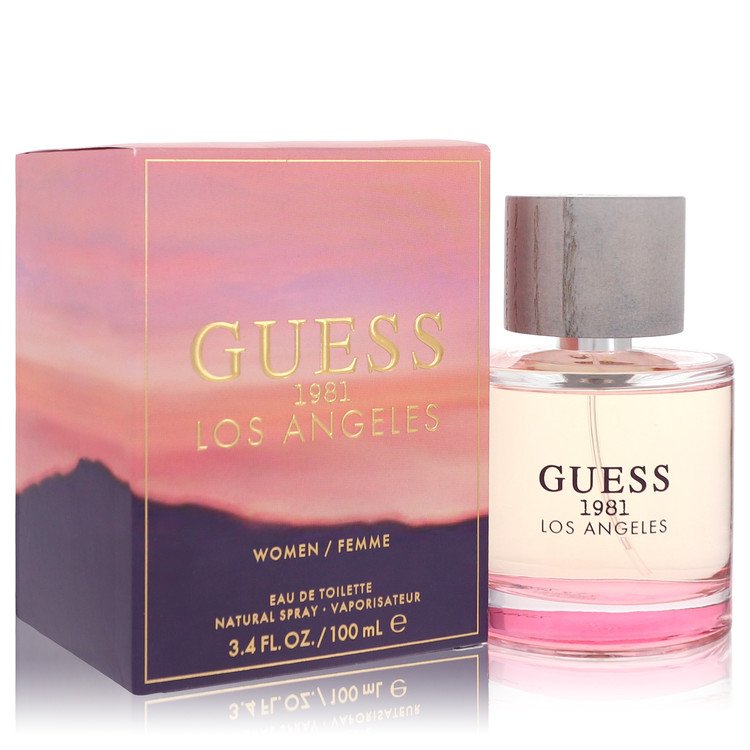
GuessGuess 1981 Los Angeles Perfume by Guess 3.4 oz EDT Spray for Women$23.33Compare prices →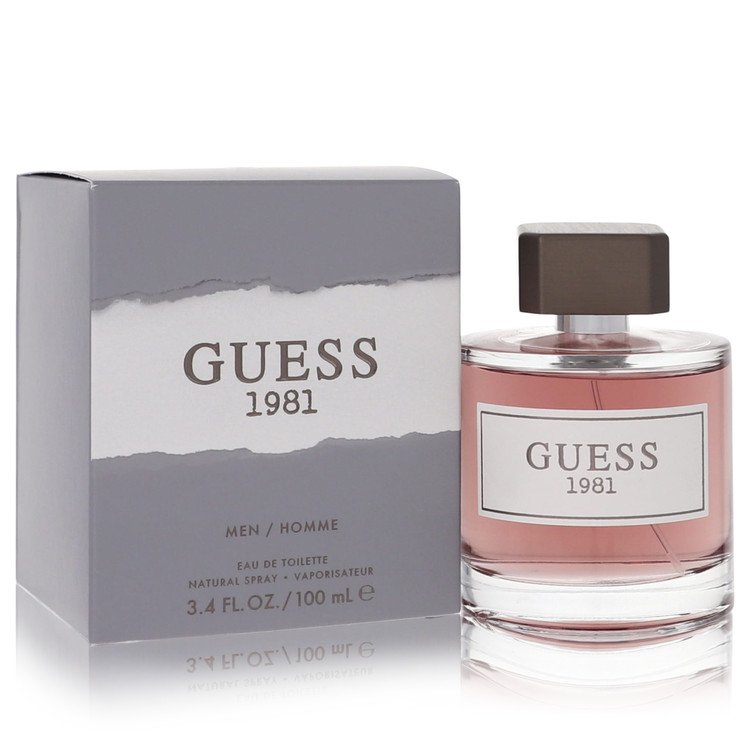 GuessGuess 1981 Cologne by Guess 3.4 oz EDT Spray for Men$22.64Compare prices →
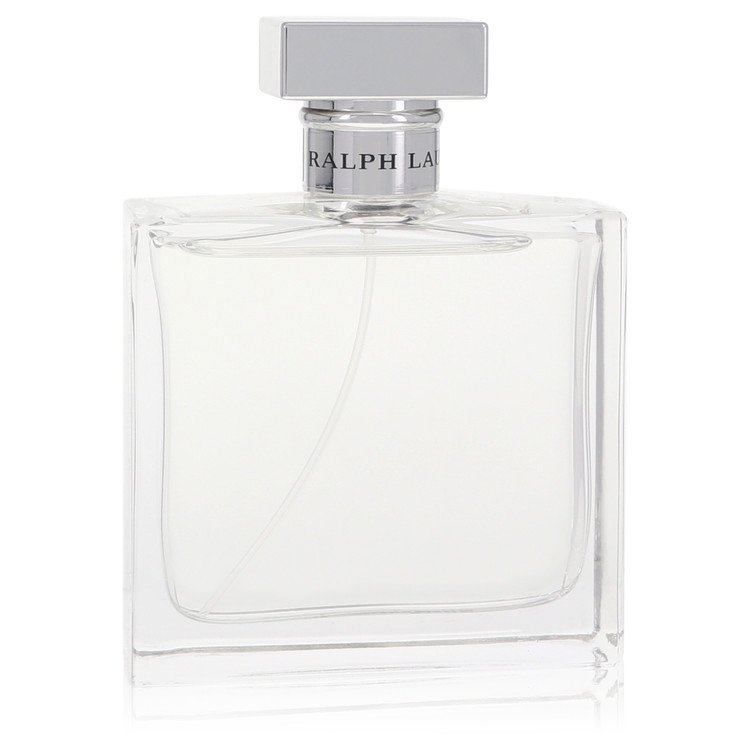 Ralph LaurenRomance Perfume 3.4 oz EDP Spray (unboxed) for Women$76.49Compare prices →
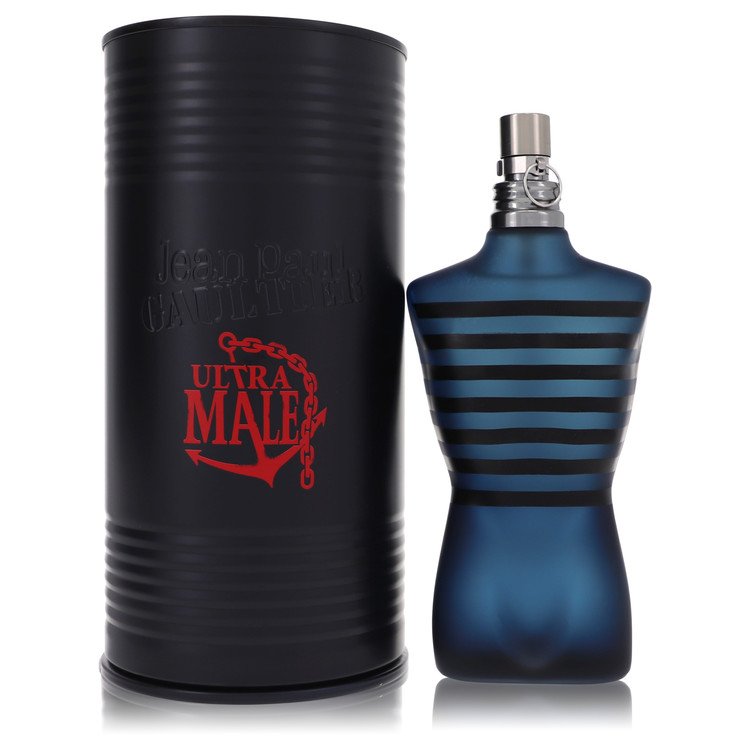 Jean Paul GaultierJean Paul Gaultier Ultra Male Cologne 4.2 oz EDT Intense Spray for Men$123.57Compare prices →
Smell it before you buy it
Our directory lists brick-and-mortar perfume and fragrance stores in every US state, with addresses, phones, and websites, so you can test on skin before spending real money.
Find a fragrance store near you