The Main Fragrance Families Explained
Walk into any fragrance counter and the sheer number of bottles can be paralyzing. Fragrance families exist to make that world navigable. They group scents by shared character so that once you know which families you gravitate toward, you can predict what you will enjoy and skip what you will not. Think of families as neighborhoods on a map rather than rigid boxes.
Why Classification Systems Exist
Classifying scent is genuinely hard because smell is subjective and hard to put into words. Yet perception is not random. A study on the categorical dimensions of human odor descriptor space found that odors do not spread evenly across all possibilities. Instead they cluster into discrete, non overlapping groups, with each odor tending to be defined by one dominant quality. In other words, the tendency to sort smells into families reflects real structure in how our brains organize odor, not just marketing convenience.
Classification gives shoppers, perfumers, and writers a shared vocabulary. When someone says a scent is "woody" or "fresh," you get an immediate, useful sense of its character before you ever smell it.
The Four Classic Families
Most modern systems start with four broad families, each with a distinct personality:
- Floral is the largest and most familiar family, built around flowers such as rose, jasmine, and lily. It ranges from single flower soliflores to lush bouquets, and often carries a soft, powdery edge.
- Woody scents are warm and grounded, drawing on sandalwood, cedar, vetiver, and patchouli. They frequently anchor the base of a fragrance and lend depth and longevity.
- Amber, long called oriental, is warm, rich, and sensual, weaving together resins, spices, vanilla, and balsams for a cozy, enveloping effect.
- Fresh covers bright, clean scents including citrus, green, aquatic, and aromatic notes. These tend to feel light and energizing and suit warm weather.
The Fragrance Wheel
The most widely used way to visualize these relationships is the fragrance wheel. As described in the reference entry for the fragrance wheel, it is a circular diagram showing the inferred relationships among olfactory groups based on similarities and differences in their odor. The modern version was created in 1992 by the perfumery taxonomist Michael Edwards, and it arranges the four main families around a circle with subfamilies bridging them.
The wheel's genius is placement. Families that sit next to one another share characteristics and tend to blend well, while families on opposite sides contrast sharply. This is why the wheel doubles as a tool for both understanding a scent and discovering adjacent ones you might like. Notably, Edwards later renamed the oriental family to amber, part of an ongoing effort to keep the vocabulary precise and inclusive.
Subfamilies and Overlaps
Real fragrances rarely sit neatly in one family. A scent might be a floral woody, a fresh aromatic, or a woody amber. Subfamilies capture these hybrids: floral amber, citrus aromatic, mossy woods, and many more. The overlaps are a feature, not a flaw. They reflect the fact that perfumers blend across categories to create character, and they explain why two floral perfumes can smell nothing alike.
Using Families to Navigate Choices
The practical payoff is huge. Once you notice that you keep loving woody scents, you can confidently explore other woody fragrances and their neighbors on the wheel. If lush florals feel too heavy, you might drift toward the fresh side and try green or citrus notes instead. Families let you translate a vague preference into a focused shortlist.
A few tips make the system even more useful. When you find a fragrance you love, note its family and subfamily. When you read a description, use the family words as a first filter before diving into individual notes. And remember that families describe tendencies, not guarantees. The wheel points you in a promising direction, but your own nose still makes the final call. Used this way, fragrance families turn an overwhelming wall of bottles into a landscape you can actually explore with confidence.
Compare prices on fragrances from this guide
FragranceX prices shown, recorded when this page was built. Open any bottle to compare it against live Amazon and eBay listings.
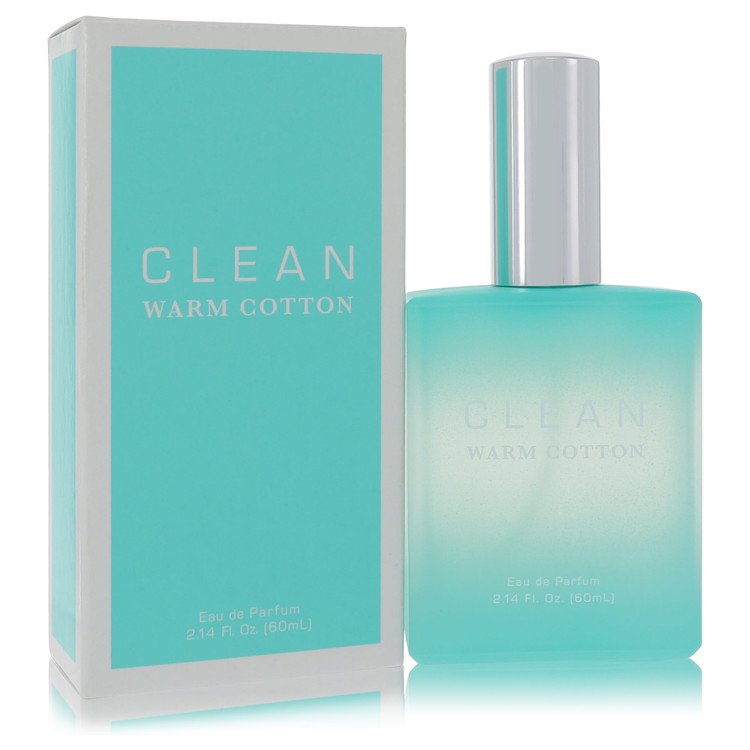
CleanClean Warm Cotton Perfume by Clean 2.14 oz EDP Spray for Women$32.95Compare prices →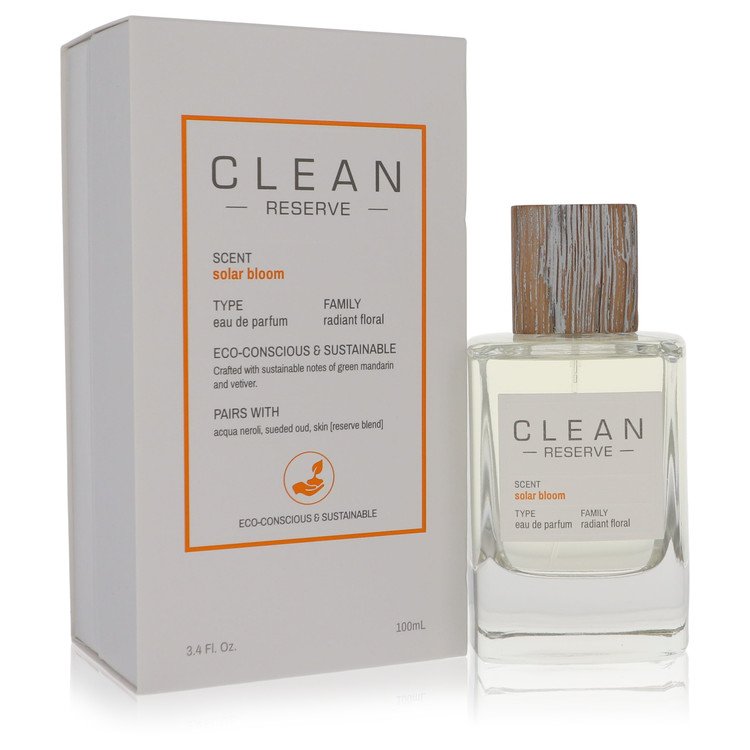 CleanClean Reserve Solar Bloom Perfume 3.4 oz EDP Spray (Unisex) for Women$50.99Compare prices →
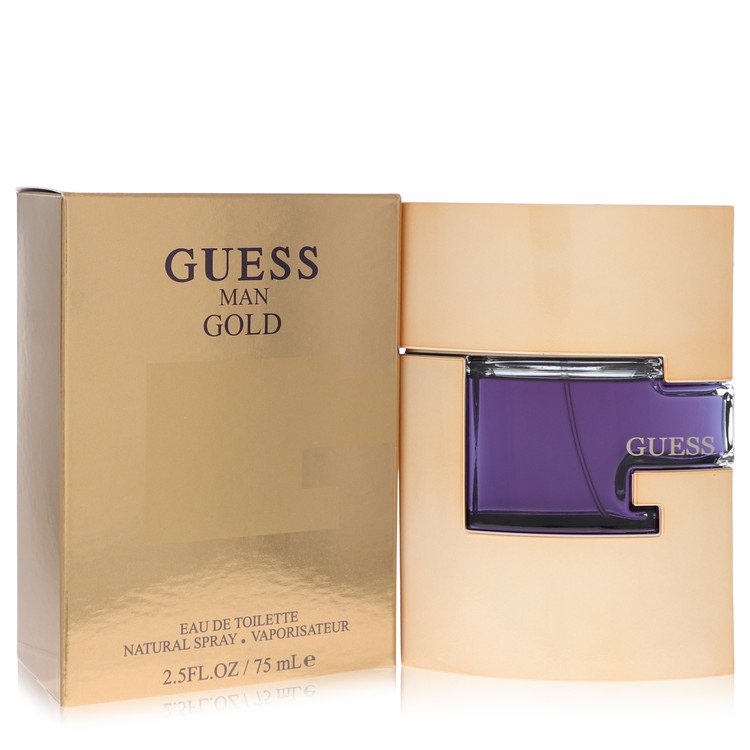 GuessGuess Gold Cologne by Guess 2.5 oz EDT Spray for Men$22.64Compare prices →
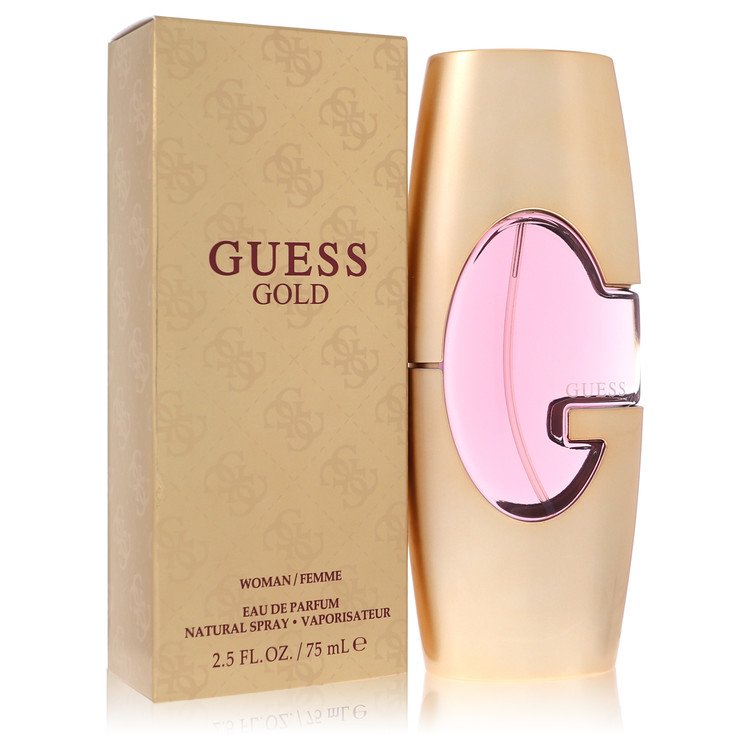 GuessGuess Gold Perfume by Guess 2.5 oz EDP Spray for Women$25.39Compare prices →
Smell it before you buy it
Our directory lists brick-and-mortar perfume and fragrance stores in every US state, with addresses, phones, and websites, so you can test on skin before spending real money.
Find a fragrance store near you