Finding Your Personal Scent Profile
Walk into any fragrance hall and the wall of bottles can feel paralyzing. A personal scent profile is the shortcut out of that overwhelm. It is a clear picture of the notes, families, and moods you consistently enjoy, built from your own reactions rather than from advertising. Once you know your profile, every future purchase becomes faster, cheaper, and far more satisfying.
Start With What You Already Love
Your existing preferences are the best data you have. Think about smells that stop you in your tracks: cut grass, fresh laundry, a warm bakery, rain on pavement, cedar shavings, or ripe citrus. These everyday reactions map neatly onto perfume families. A pull toward cozy kitchen smells hints at gourmand and amber scents, while a love of sea air or crushed herbs points toward fresh and aromatic styles. Odor preference is deeply personal. A large cross cultural study of odor pleasantness across communities found that while people broadly agree on which smells are unpleasant, individual differences still account for a substantial share of what each of us finds beautiful.
Use Family Maps to Narrow the Field
Perfume is usually organized into a handful of broad families: floral, fresh, woody, and amber, each with subgroups such as citrus, aquatic, chypre, and gourmand. Treat these families as a map rather than a rulebook. Identify one or two that consistently appeal to you and use them to filter the thousands of available options down to a manageable shortlist. This is far more efficient than sampling at random, and it keeps you from being swayed by a single striking bottle that does not actually suit your taste over time.
Sample Methodically, Not Randomly
Discovery happens on skin, over hours, not in a two second sniff at the counter. Order sample vials or decants of several fragrances within your target families and wear one per day. Apply it in the morning and check in at the one hour, four hour, and end of day marks. Notice how the opening, heart, and dry down evolve, and pay attention to how you feel wearing it. A scent that smells wonderful on a blotter but that you keep sniffing anxiously all day is not the one for you.
Keep a Preference Journal
Memory for smell is powerful but unreliable in the details, so write things down. For each fragrance, note the family, the notes you can pick out, the longevity, and a simple like or dislike score. Over a few weeks, patterns emerge that you would never notice otherwise, such as a repeated love of vanilla paired with wood, or a consistent dislike of sharp synthetic musks. Journaling also builds vocabulary, which makes reviews and note lists far easier to interpret. The habit taps into the same wiring behind the vivid recall documented in odor evoked memory research, where specific scents become tightly linked to moments and feelings.
Translate Your Profile Into Purchases
Once the pattern is clear, buying gets easy. You might discover that you are a warm woody amber person who wants one fresh citrus scent for hot days, or a green floral lover who avoids anything sweet. Use that summary to evaluate new releases quickly: if a fragrance sits outside your profile, you can admire it without buying it. Your profile is not a cage, though. Tastes shift with seasons, age, and mood, so revisit your journal a couple of times a year and let it grow. The goal is not to lock yourself into one lane but to shop with confidence and stop wasting money on bottles that never get worn.
Lean on Broad Families First
If the process still feels abstract, begin at the widest level and work inward. Decide first whether you lean fresh, floral, woody, or sweet, then explore the subgroups inside your favorite branch before worrying about individual notes. Smelling raw materials on blotters, one at a time, trains your nose to recognize what a single note actually contributes, which makes finished fragrances far easier to decode. The more you name what you smell, the sharper your profile becomes. Treat discovery as an ongoing hobby rather than a one time quiz, and within a season or two you will know your tastes better than any sales associate ever could.
Compare prices on fragrances from this guide
FragranceX prices shown, recorded when this page was built. Open any bottle to compare it against live Amazon and eBay listings.
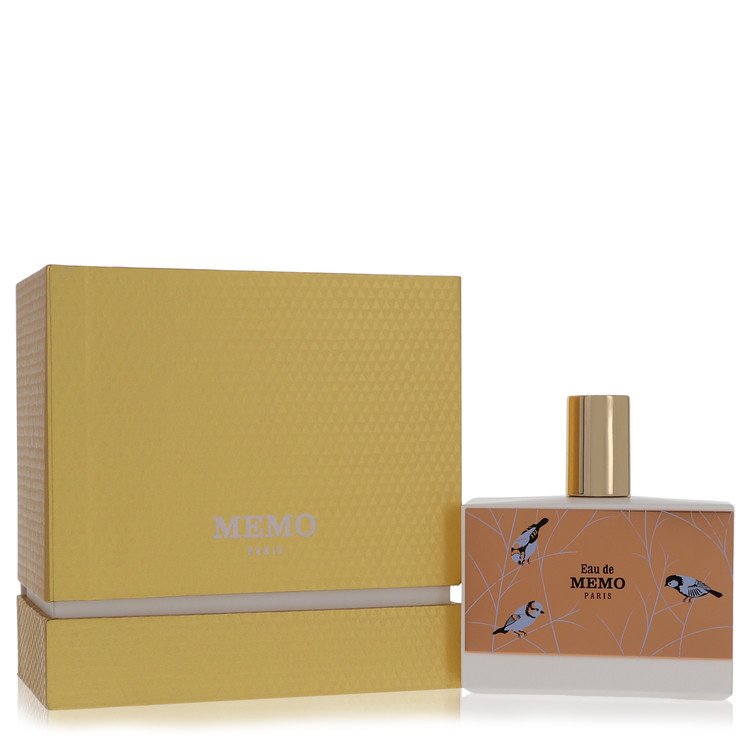
MemoEau De Memo Perfume 3.38 oz EDP Spray (Unisex) for Women$195.50Compare prices →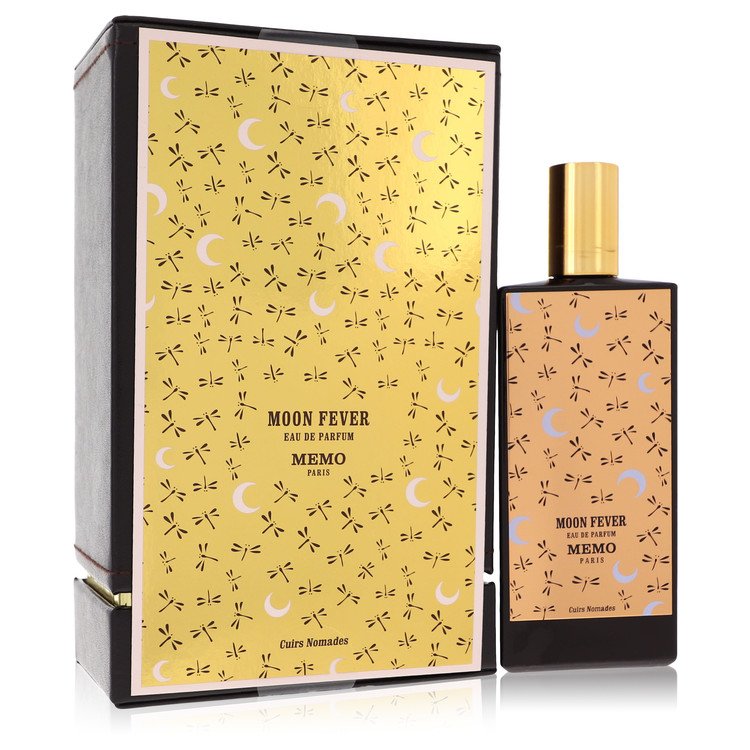 MemoMoon Fever Perfume 2.5 OZ EDP Spray (Unisex) for Women$199.75Compare prices →
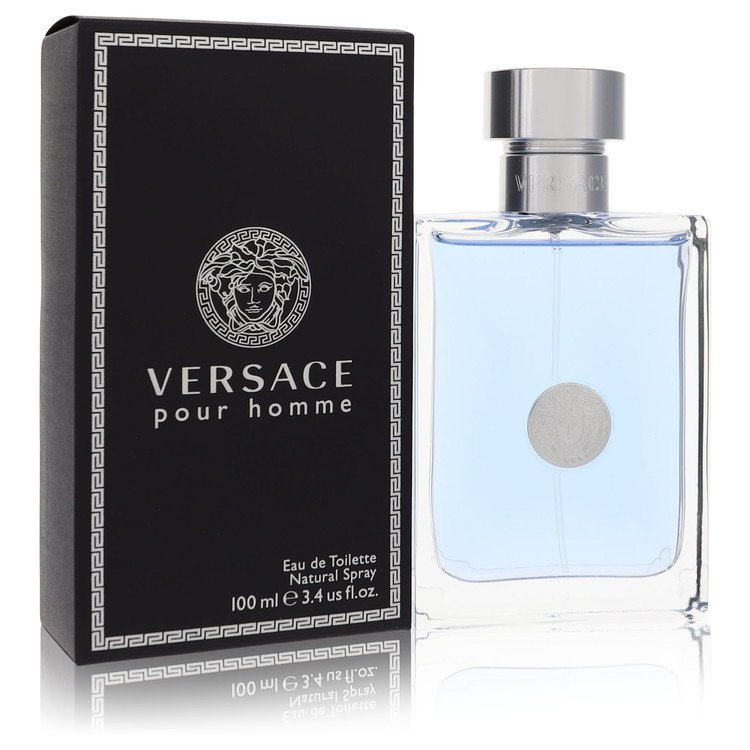 VersaceVersace Pour Homme Cologne by Versace 3.4 oz EDT Spray for Men$63.84Compare prices →
 AnimaleAnimale Cologne by Animale 3.4 oz EDT Spray for Men$27.46Compare prices →
Smell it before you buy it
Our directory lists brick-and-mortar perfume and fragrance stores in every US state, with addresses, phones, and websites, so you can test on skin before spending real money.
Find a fragrance store near you