Reformulations: Why Your Favorite Scent Changed
You finally repurchase a fragrance you loved years ago, spray it on, and something is off. The opening is thinner, a rich mossy base has gone quiet, or the whole thing feels flatter than you remember. You are probably not imagining it. Many long running fragrances are quietly reformulated over time, and understanding why can turn frustration into informed buying.
What Reformulation Actually Means
Reformulation is any change to a fragrance's formula after its original release. Sometimes it is dramatic, sometimes it is a subtle rebalancing that only devoted wearers notice. Brands rarely announce these changes, because the product keeps the same name, bottle, and marketing. The three biggest drivers are safety regulation, raw material sourcing, and cost, and they often work together.
Safety Rules Restrict Certain Materials Over Time
The single most common reason old favorites change is safety regulation. The International Fragrance Association maintains a set of standards that, in its own words, restrict or ban materials when there are concerns about their safe use. According to the association, the IFRA Standards set limits, restrict, or ban certain fragrance materials and are updated through periodic amendments as new science emerges. When a beloved material lands on a restricted list, perfumers have to reduce it or replace it, and the character of the scent shifts.
A textbook example is oakmoss, the dark, earthy backbone of countless classic chypre fragrances. Its natural components atranol and chloroatranol are potent skin allergens. European authorities acted on this: the Scientific Committee on Consumer Safety concluded that atranol and chloroatranol should not be present in consumer products, and low allergen oakmoss substitutes became the norm. Many storied perfumes were rebuilt around this change, which is why some vintage chypres smell noticeably different today.
Why Regulators Restrict Fragrance Ingredients
These restrictions are not arbitrary. Fragrance materials are among the most common causes of allergic contact dermatitis. A clinical review of contact allergy to fragrances and current regulatory trends notes that several fragrance ingredients are important contact allergens, with sensitization documented across a meaningful share of tested patients, and that regulators have responded with concentration limits and outright bans on the worst offenders. From a public health standpoint, a slightly altered smell is a reasonable trade for fewer allergic reactions.
Sourcing and Cost Also Force Changes
Regulation is only part of the story. Natural materials are agricultural products, and their supply is anything but stable. A poor harvest, a disease outbreak, political instability in a growing region, or conservation limits on an overharvested species can all make a natural ingredient scarce or expensive overnight. When a key material becomes unreliable, brands reformulate to keep the product in stock at a workable price.
Cost pressure works quietly too. As ingredient prices rise but the retail price stays flat, some houses substitute cheaper synthetic analogs for pricier naturals. The result may be a fragrance that projects differently or loses some of its former depth.
How to Spot a Reformulated Batch
You cannot always tell, but a few clues help:
- Compare batch codes. A much newer manufacturing date on a suspiciously different smelling bottle is a hint.
- Watch for packaging tweaks. Redesigned boxes or updated ingredient lists sometimes coincide with a reformulation.
- Check the ingredient label for the removal of once listed allergens like oakmoss extract.
- Trust consistent reports from multiple long time wearers rather than a single anecdote.
Living With Reformulation
It is easy to treat reformulation as a betrayal, but it is worth keeping perspective. Not every change is for the worse. Some reformulations improve stability, longevity, or blending, and modern safety limits genuinely reduce allergy risk for everyone sharing your space. If a new version truly disappoints you, the practical response is to explore alternatives in the same family rather than chasing dwindling old stock at inflated prices. Understanding that scents evolve, sometimes by force and sometimes by choice, makes you a calmer and smarter buyer.
Compare prices on fragrances from this guide
FragranceX prices shown, recorded when this page was built. Open any bottle to compare it against live Amazon and eBay listings.
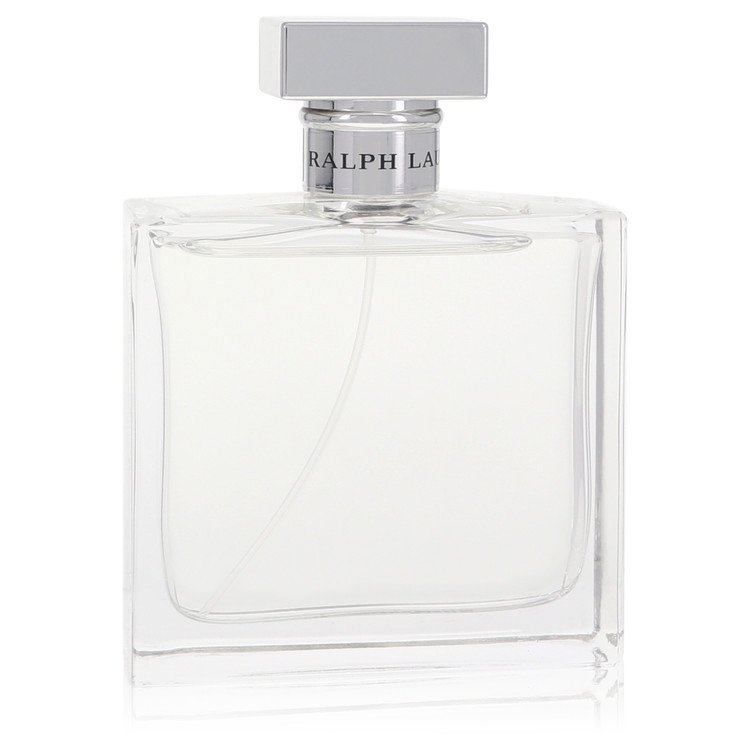
Ralph LaurenRomance Perfume 3.4 oz EDP Spray (unboxed) for Women$76.49Compare prices →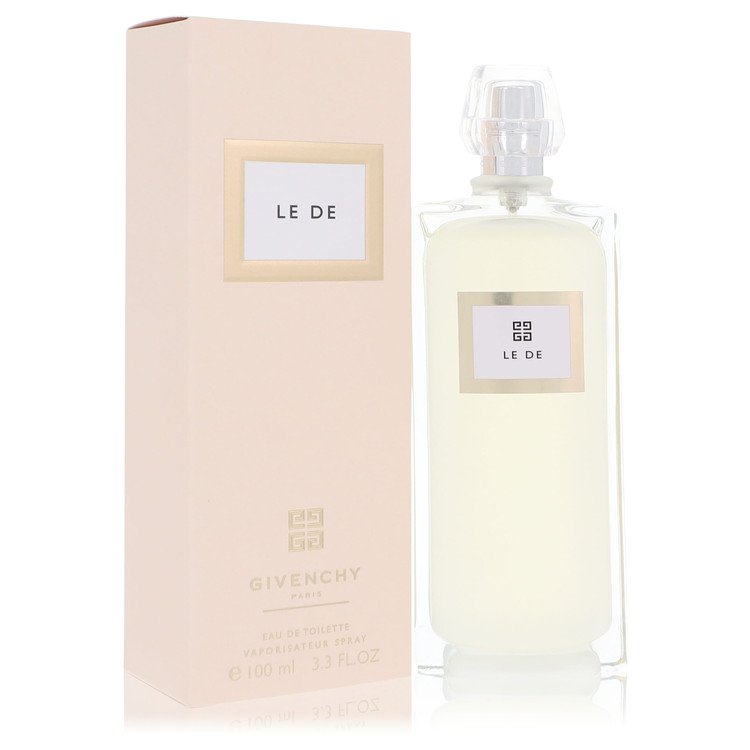 GivenchyLe De Perfume 3.4 oz EDT Spray (New Packaging) for Women$76.19Compare prices →
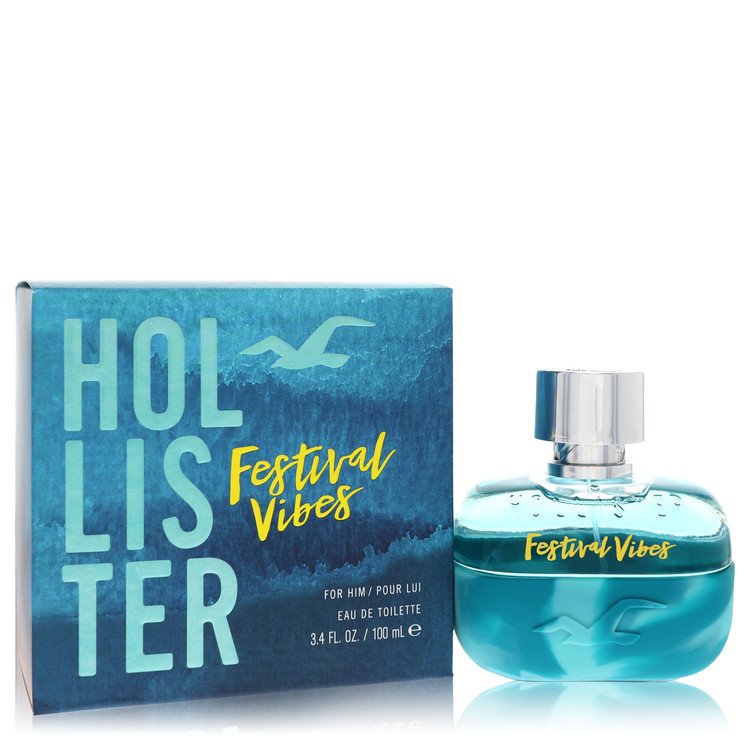 HollisterHollister Festival Vibes Cologne by Hollister 3.4 oz EDT Spray for Men$19.21Compare prices →
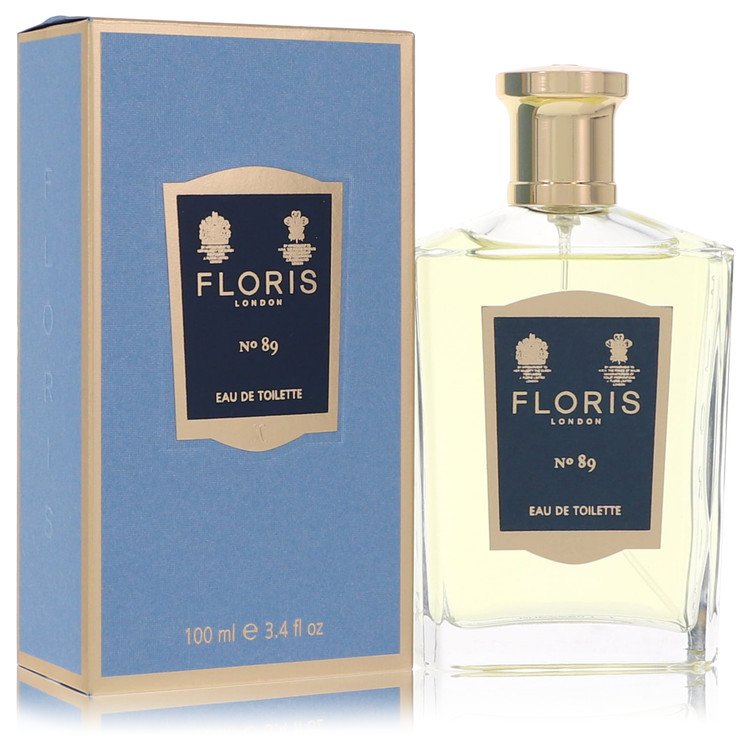 FlorisFloris No 89 Cologne by Floris 3.4 oz EDT Spray for Men$99.79Compare prices →
Smell it before you buy it
Our directory lists brick-and-mortar perfume and fragrance stores in every US state, with addresses, phones, and websites, so you can test on skin before spending real money.
Find a fragrance store near you