How to Read Online Fragrance Reviews Critically
Online reviews are one of the first places people turn before buying a scent they cannot smell in person. They are genuinely useful, but they are also filtered through biology, marketing, and psychology in ways that are easy to miss. Reading them well means treating each review as one data point rather than a verdict. Here is how to get real value from fragrance reviews without being misled by them.
Scent Perception Is Genuinely Individual
The first thing to accept is that no two people smell a fragrance in exactly the same way. This is not just a matter of taste. Research published in a study on genetic variation across the human olfactory receptor repertoire found that differences in a single olfactory receptor gene were frequently linked to measurable changes in how intense or pleasant a person rated an odor. Some people are far more sensitive to certain molecules than others, and a few are effectively blind to specific notes entirely.
That means a reviewer who calls a musk "overpowering" and one who calls the same scent "barely there" may both be telling the truth about their own experience. When you read a review, you are reading how a fragrance behaved on one person's skin, in one climate, through one nose. Look for patterns across many reviews rather than trusting any single strong reaction.
Expectations Change What You Smell
Reviews do not just describe a scent. They can actively reshape how you experience it later. In a well-known neuroscience experiment on cognitive modulation of olfactory processing, researchers gave people the exact same odor molecule but labeled it either "cheddar cheese" or "body odor." Participants rated the identical smell as significantly more unpleasant when it carried the negative label, and their brains responded differently too.
The lesson for review readers is direct. If you go into a sample already primed by a reviewer who called something "cheap" or "stunning," that framing can nudge your own judgment. Try to test a fragrance before you sink too deeply into other people's language about it, or at least read reviews knowing they are planting expectations.
Be Skeptical of Longevity and Projection Claims
Two of the most common review complaints are that a scent "disappears" or "lasts forever." Both should be read with caution, partly because of a quirk in how smell works. Our noses adapt to a constant odor. A study recording from the human olfactory system found that subjective intensity ratings decreased over repeated exposures to the same odor, meaning we perceive a scent as weaker simply because we have grown used to it.
This is why a wearer may swear a fragrance vanished after an hour when people around them can still smell it clearly. Longevity reviews mix real chemistry with this adaptation effect, plus differences in skin, dosage, and how many sprays each person used. Weight these claims loosely and confirm them on your own skin.
Watch for Bias and Undisclosed Incentives
Not every enthusiastic review is organic. Some content is sponsored, some reviewers receive free bottles, and some earn a commission when you buy through their links. None of that automatically makes a review dishonest, but it does create pressure toward positivity. Look for reviewers who describe flaws as well as strengths, who compare a scent to alternatives, and who disclose how they obtained the product.
Be especially wary of reviews that read like marketing copy, that use the brand's own tagline, or that appear in a sudden cluster right after a launch. A useful review tells you what a fragrance smells like and who it might not suit, not just that it is amazing.
How to Aggregate Reviews Wisely
The goal is to build a rough consensus while filtering noise. A few practical habits help:
- Read many reviews, not the loudest few, and notice the notes that come up repeatedly across writers.
- Separate description from opinion. "Smells like lemon and cedar" is more portable than "smells expensive."
- Give more weight to reviewers whose taste has matched yours before.
- Note the conditions: season, skin type, and spray count change everything.
- Treat extreme praise and extreme hatred as outliers unless many voices echo them.
In the end, reviews are a map, not the territory. They can narrow a huge field down to a shortlist worth sampling, help you understand a scent's structure, and flag genuine deal breakers like harsh longevity or a divisive note. What they cannot do is tell you how a fragrance will smell on your skin or how it will make you feel. Order a sample, wear it through a full day, and let your own experience cast the deciding vote.
Compare prices on fragrances from this guide
FragranceX prices shown, recorded when this page was built. Open any bottle to compare it against live Amazon and eBay listings.
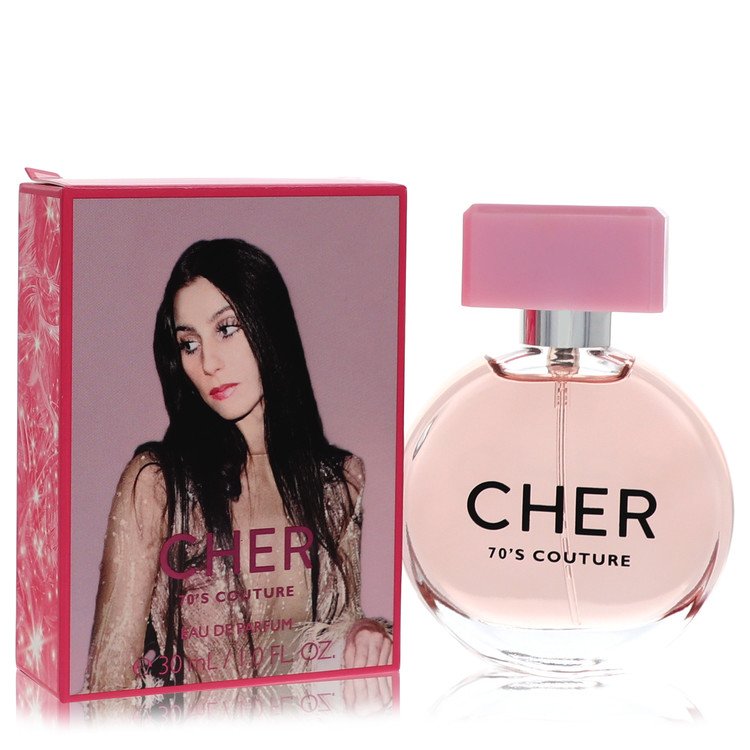
CherCher Decades 70's Couture Perfume by Cher 1 oz EDP Spray for Women$10.97Compare prices →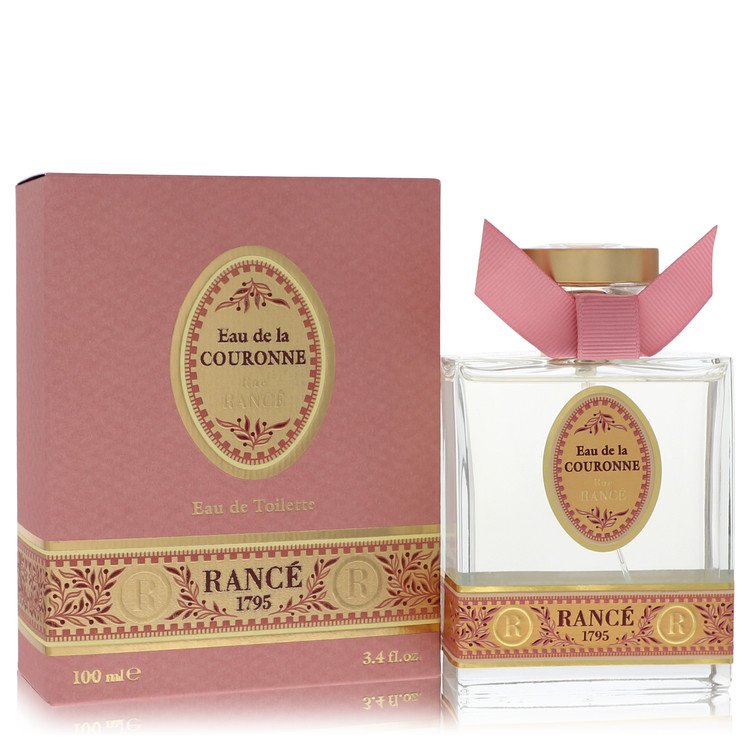 RanceEau De La Couronne Perfume by Rance 3.4 oz EDT Spray for Women$144.49Compare prices →
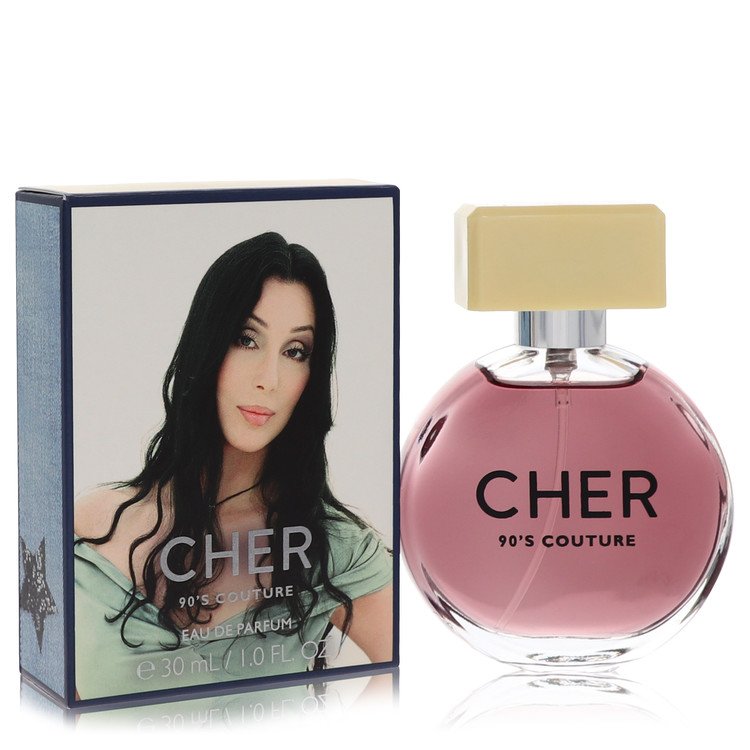 CherCher Decades 90's Couture Perfume by Cher 1 oz EDP Spray for Women$10.97Compare prices →
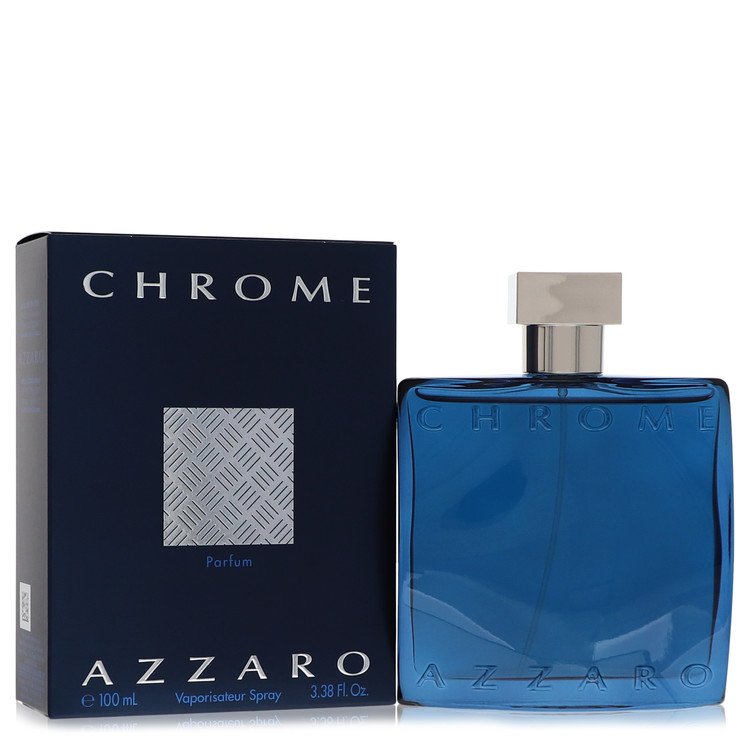 AzzaroChrome Cologne by Azzaro 3.4 oz Parfum Spray for Men$59.03Compare prices →
Smell it before you buy it
Our directory lists brick-and-mortar perfume and fragrance stores in every US state, with addresses, phones, and websites, so you can test on skin before spending real money.
Find a fragrance store near you