What Defines a Fresh Fragrance?
Ask most people to describe a fresh fragrance and they reach for words like clean, crisp, bright, and airy. It is one of the most popular styles for daily wear, especially in warm weather, yet it is also one of the broadest. The fresh category is really an umbrella covering several related sub styles that share a light, uplifting character. Understanding what unites them, and what trade offs come with the territory, helps you build a smarter rotation.
The Fresh Umbrella
The fresh family gathers four main sub groups under one heading. Citrus scents open with the zing of lemon, bergamot, grapefruit, and orange. Aquatic or marine scents evoke sea air and rain through mostly synthetic materials. Green scents smell of crushed leaves, cut grass, and stems. Aromatic scents lean on cool herbs such as mint, lavender, rosemary, and basil. What ties them together is an impression of cleanliness and lift rather than warmth or sweetness. They tend to feel transparent, as though you can smell right through them, which is exactly their appeal.
Common Fresh Materials
Citrus oils are the backbone of the family. They are extracted from fruit peel and are prized for their instantly recognizable brightness. Herbal and green materials add crispness and a natural, outdoorsy quality. Aquatic notes, by contrast, rarely come from nature at all. There is no way to bottle sea spray directly, so perfumers build the effect from synthetic molecules that suggest ozone, salt, and water. Blended together, these materials create the signature clean opening that defines the style.
Why Fresh Scents Suit Heat and Daytime
Fresh fragrances shine in hot weather and daylight hours for a simple reason. Their light, transparent character does not become heavy or cloying as temperatures rise, whereas rich amber or gourmand scents can feel overwhelming in the heat. A crisp citrus or aromatic composition reads as refreshing precisely when you want to feel cool and clean. That makes them natural choices for the office, the gym, travel, and casual summer days.
The Longevity Trade Off
Here is the catch that surprises many newcomers. The very lightness that makes fresh scents so appealing also makes them fade quickly. The bright citrus and green notes at the heart of the family are extremely volatile, meaning they evaporate fast. Research analyzing the changes in the composition of citrus oils during evaporation found that the more volatile monoterpene components disappeared rapidly, with the aromatic profile shifting dramatically within about 45 minutes.
That volatility is baked into the chemistry. A comprehensive review of volatile compounds in citrus essential oils notes that citrus oils are dominated by limonene, a highly volatile monoterpene that can make up 60 to 95 percent of the oil. Light molecules like these lift off the skin fast, which is why a dazzling citrus opening can seem to vanish while heavier base notes linger. It is not a flaw in the fragrance so much as physics.
Building a Fresh Rotation
You can work with fresh scents' fleeting nature rather than against it. A few strategies help:
- Choose fresh fragrances with a supporting base of light woods or musks, which anchor the volatile top notes and extend wear.
- Reapply midday if you want the bright opening to last, and keep a travel atomizer handy.
- Apply to moisturized skin, since hydrated skin holds fragrance a little longer.
- Reach for higher concentrations when you need more staying power from a fresh profile.
- Match the sub style to the moment: citrus for a summer morning, aromatic for the gym, aquatic for a beach day, green for a spring walk.
The fresh family is where many people begin their fragrance journey, and for good reason. These scents are approachable, versatile, and hard to dislike. Just go in with realistic expectations about longevity, lean on smart application, and you will have a rotation that feels effortlessly clean whenever the temperature climbs.
Compare prices on fragrances from this guide
FragranceX prices shown, recorded when this page was built. Open any bottle to compare it against live Amazon and eBay listings.
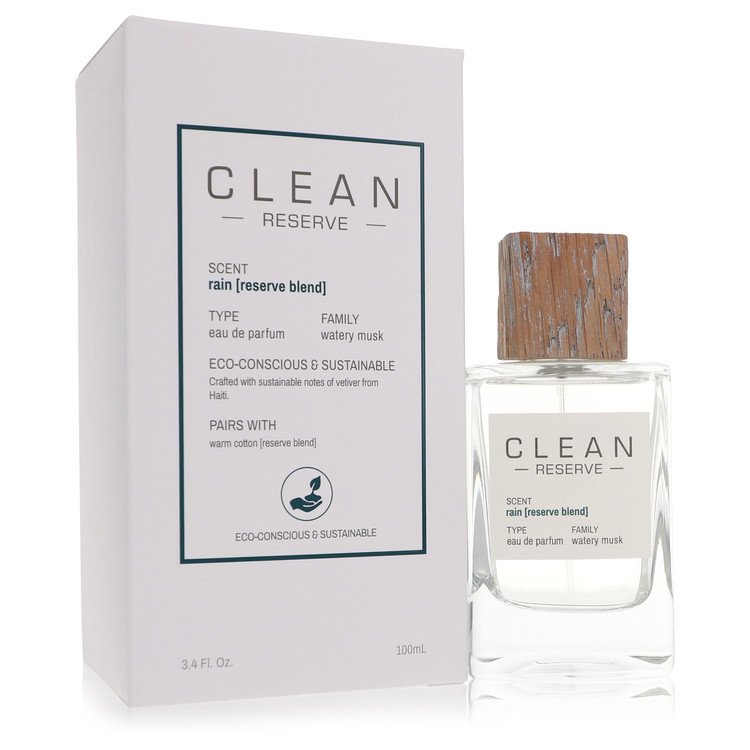
CleanClean Rain Reserve Blend Perfume by Clean 3.4 oz EDP Spray for Women$72.76Compare prices →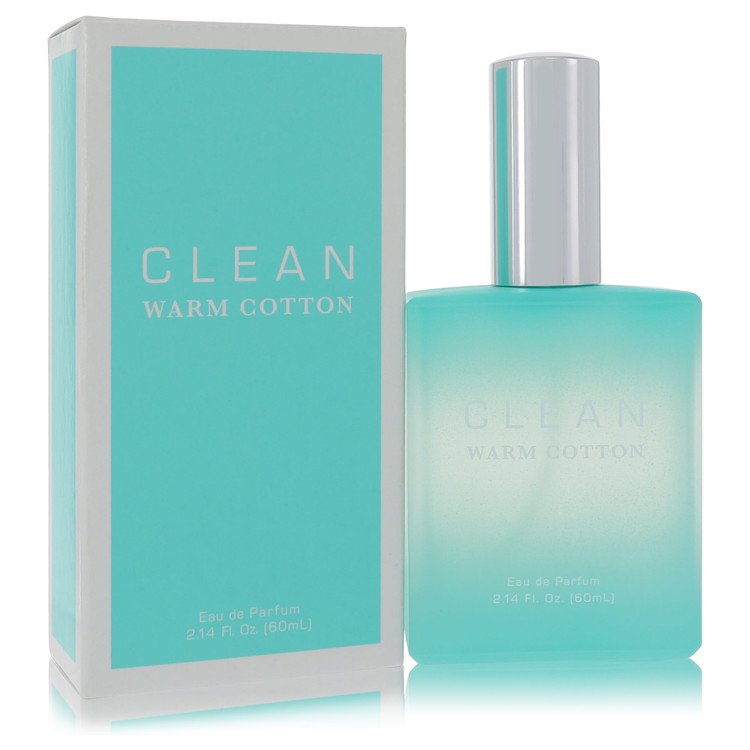 CleanClean Warm Cotton Perfume by Clean 2.14 oz EDP Spray for Women$32.95Compare prices →
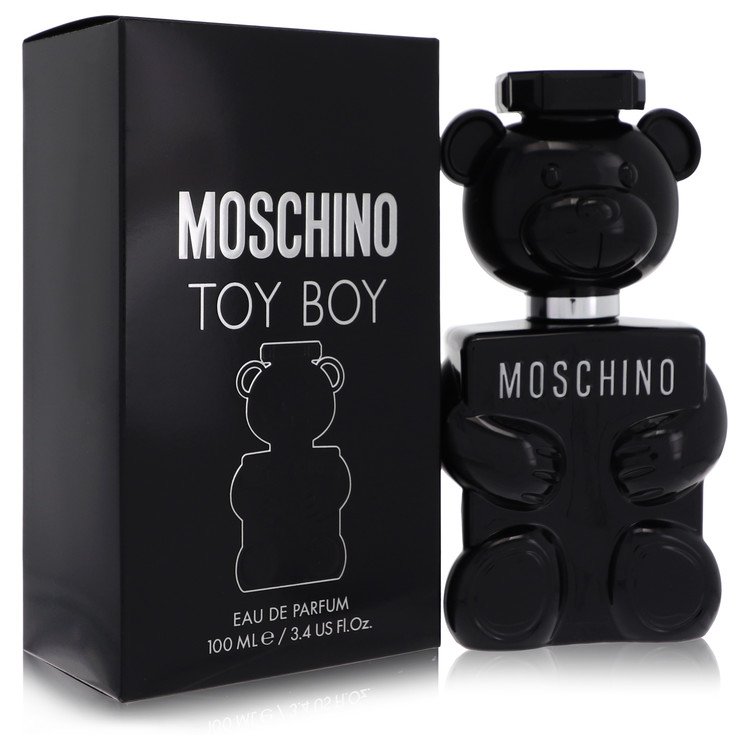 MoschinoMoschino Toy Boy Cologne by Moschino 3.4 oz EDP Spray for Men$51.48Compare prices →
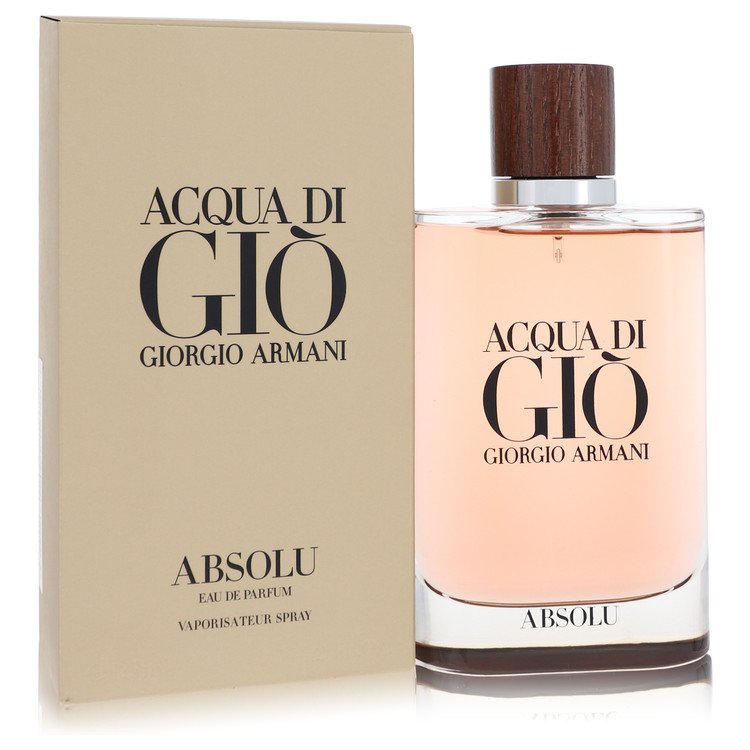 Giorgio ArmaniAcqua Di Gio Absolu Cologne by Giorgio Armani 4.2 oz EDP Spray for Men$181.92Compare prices →
Smell it before you buy it
Our directory lists brick-and-mortar perfume and fragrance stores in every US state, with addresses, phones, and websites, so you can test on skin before spending real money.
Find a fragrance store near you