Warm Weather Versus Cold Weather Performance
Ever noticed that a perfume you adore in December feels overwhelming by July, or that a breezy summer scent seems to vanish the moment the temperature drops? You are not imagining it. Fragrance is a small chemistry experiment that plays out on your skin, and temperature is one of the biggest variables. Understanding how warm and cold weather change performance is the key to smelling your best all year long. The good news is that a few simple adjustments put you back in control.
Why Heat Boosts Projection
Fragrance molecules have to evaporate off your skin to reach anyone's nose, and heat speeds that process up. Volatility, the tendency of a compound to vaporize, rises with temperature, and the higher a material's volatility the more readily it is released into the air. Warm skin and hot air push aroma molecules off faster, which is why the same two sprays project more strongly and smell louder in summer than they do in winter.
The Downside of Strength in Summer
That amplification cuts both ways. A rich, heavy composition that feels cozy in cold weather can turn cloying and even headache inducing when heat exaggerates it. Sweet gourmands, dense ambers, and thick orientals often become too much in the sun. Warmth also changes your skin itself. Because body odor forms when bacteria break down compounds in sweat, a heavier fragrance layered over a sweaty summer day can clash rather than complement. Lighter, brighter scents tend to wear far more gracefully.
Why Cold Air Mutes Fragrance
Winter does the opposite. Cold slows evaporation, so fewer molecules lift off the skin and the scent stays quieter and closer to the body. Top notes in particular, the most volatile part of a fragrance, can feel muted or short lived when the air is cold. This is why a scent that projected beautifully in August can seem to barely register on a frigid morning walk to work. Humidity plays a supporting role too, since moist air can help carry scent, while very dry, cold air gives those molecules little to travel on.
Fresh Scents Fade in the Cold
Delicate citrus, aquatic, and green fragrances are built largely from lightweight, highly volatile materials. In warm weather that lightness is a virtue. In the cold it becomes a liability, because those airy top notes need heat to bloom and there simply is not enough of it. A crisp citrus cologne that felt perfect poolside can seem thin and fleeting by January.
Matching Concentration to the Season
A practical response is to match both concentration and character to the weather. In heat, reach for lighter concentrations such as eau de toilette and fresh families that will not be overwhelmed by the sun. In the cold, lean on higher concentrations, richer notes, and heavier base materials that can push through the muting effect of low temperatures. You can also adjust application, using a little less in summer and a little more in winter. Storage matters too, since heat and light gradually degrade aromatic compounds and shorten a fragrance's usable life.
Building a Seasonal Rotation
The simplest solution is to stop expecting one bottle to do everything. Keep a small rotation split loosely by temperature, with lighter and fresher scents for warm months and warmer, deeper scents for the cold. This is not about rigid rules, since a soft woody scent can work nearly year round, but about working with the physics rather than against it. Pay attention to how each bottle actually behaves on hot and cold days, and let those firsthand observations guide what you reach for. When you match your fragrance to the season, both it and you perform at your best.
Compare prices on fragrances from this guide
FragranceX prices shown, recorded when this page was built. Open any bottle to compare it against live Amazon and eBay listings.
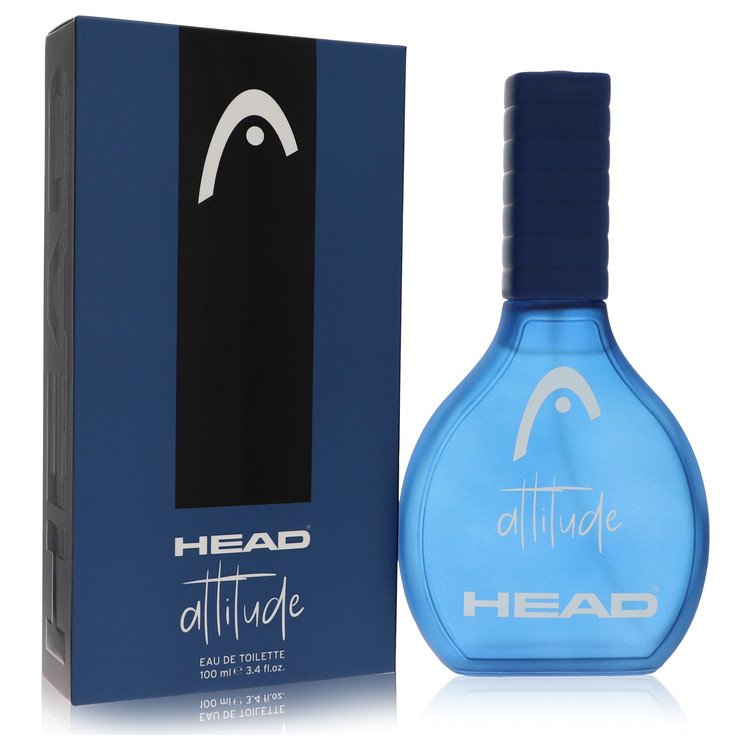
HeadHead Attitude Cologne by Head 3.4 oz EDT Spray for Men$9.60Compare prices →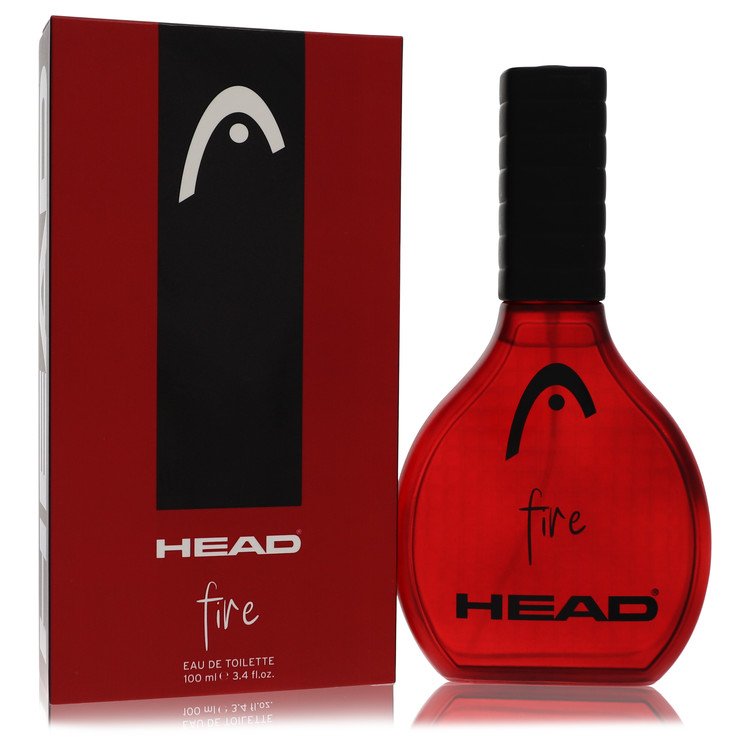 HeadHead Fire Cologne by Head 3.4 oz EDT Spray for Men$9.60Compare prices →
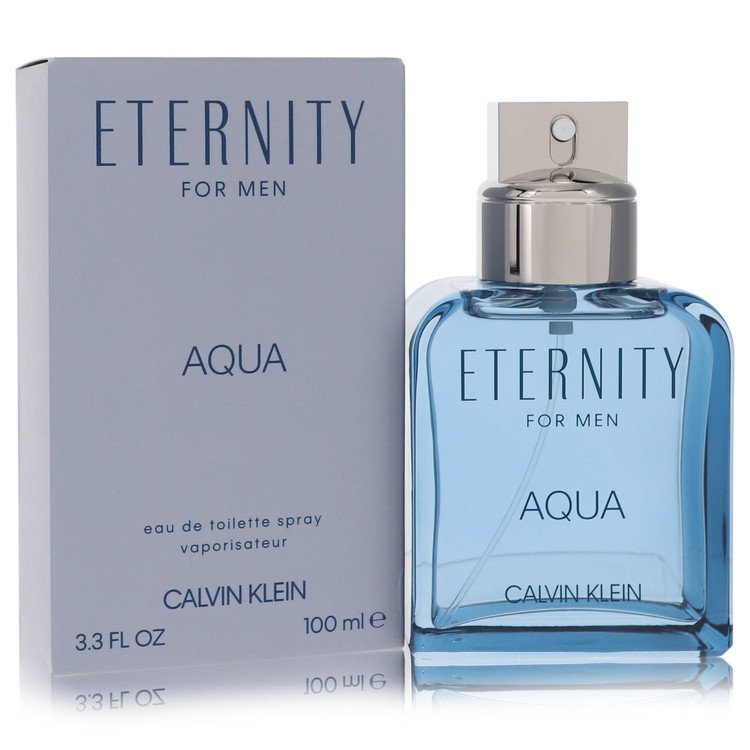 Calvin KleinEternity Aqua Cologne by Calvin Klein 3.4 oz EDT Spray for Men$30.88Compare prices →
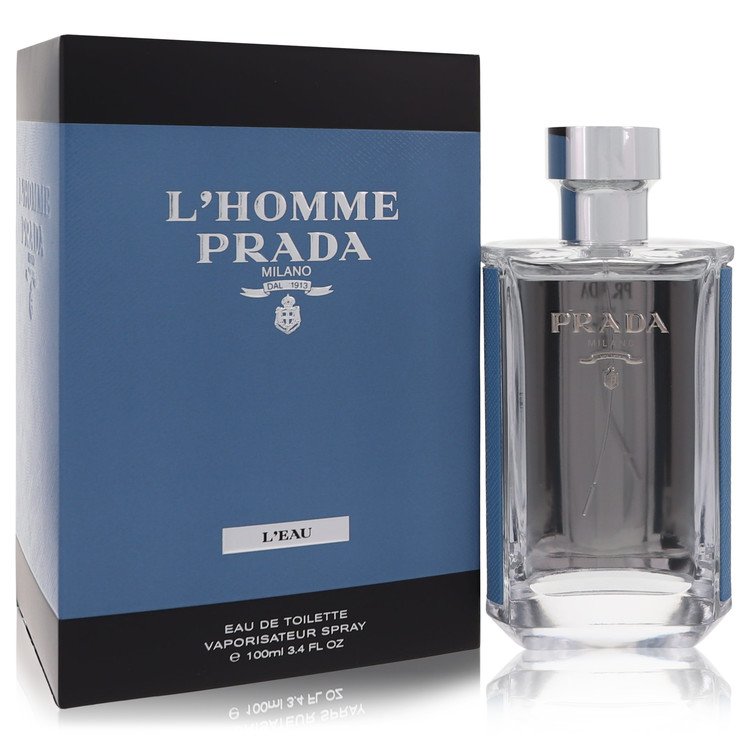 PradaPrada L'homme L'eau Cologne by Prada 3.4 oz EDT Spray for Men$94.73Compare prices →
Smell it before you buy it
Our directory lists brick-and-mortar perfume and fragrance stores in every US state, with addresses, phones, and websites, so you can test on skin before spending real money.
Find a fragrance store near you