Fougere: The Backbone of Men's Fragrance
If you have ever caught the crisp, clean scent of a classic aftershave and thought "barbershop," you were almost certainly smelling a fougere. Pronounced roughly foo-zhair, it is one of the most important structures in perfumery and the backbone of the modern masculine market. Yet like the chypre, a fougere is defined by an accord, a specific blend of materials, rather than by a single note. Understanding that accord unlocks an entire genre.
The Classic Fougere Accord
The fougere is built on a distinctive trio. Bright, herbaceous lavender sits at the top. Coumarin, with its warm, sweet, freshly mown hay character, fills the heart and base. And oakmoss brings an earthy, woody depth underneath. As described in the reference entry for the fougere fragrance family, this combination of lavender, coumarin, and oakmoss creates an instantly recognizable profile that has anchored the style for well over a century.
Each element brings something real from nature. Lavender essential oil is dominated by fresh, floral herbal molecules. A study of lavender essential oil composition found that linalool and linalyl acetate are the dominant components, together giving lavender its clean, aromatic lift. Coumarin, meanwhile, is a naturally occurring compound. A pharmacological review of natural coumarins in plants notes it was first found in the tonka bean and appears in essential oils including lavender oil, which is part of why the accord feels so cohesive.
Historical Origin and the Meaning of Fern
The word fougere is French for fern, which is a charming bit of misdirection because ferns have essentially no scent. The name was aspirational rather than literal. The genre was born in 1882 with Fougere Royale, created by the perfumer Paul Parquet for the house of Houbigant. It was one of the first fragrances to lean heavily on a synthesized material, coumarin, and its success was so complete that it launched an entire family named after that original bottle.
Why It Dominates Masculine Perfumery
Fougere became the default language of men's fragrance for good reason. Its combination of clean lavender, sweet warmth, and mossy depth reads as fresh, groomed, and confident without being sweet or floral in a traditional sense. Through much of the twentieth century, aftershaves, soaps, and colognes marketed to men leaned on this structure, cementing the association. When most people picture a classic masculine scent, they are picturing some variation of the fougere.
Modern Fougere Variations
The genre has never stopped evolving. Perfumers have spun the base accord in many directions:
- Aromatic fougeres amplify the herbs, adding rosemary, sage, or mint for extra freshness.
- Sweet or amber fougeres push the coumarin warmth toward gourmand territory with tonka and vanilla.
- Woody fougeres emphasize cedar and vetiver over moss.
- Aquatic fougeres graft fresh marine notes onto the traditional skeleton for a modern feel.
Because oakmoss is now restricted for safety reasons, contemporary fougeres often rely on synthetic reconstructions of that mossy base, much as chypres do.
Recognizing the Barbershop Feel
Once you know the accord, spotting a fougere becomes second nature. Look for a clean lavender opening, a soft sweet hay warmth in the middle, and an earthy, slightly powdery base that together evoke a freshly shaved, well groomed impression. That is the barbershop feel, and it is no accident: the classic soaps and aftershaves that scented barbershops were fougeres themselves.
If you want to explore the family, sample across its modern variations and pay attention to how the lavender, coumarin, and moss balance shifts. From vintage powerhouses to fresh contemporary takes, the fougere remains a living structure, proof that a great accord can stay relevant for more than a hundred years.
Compare prices on fragrances from this guide
FragranceX prices shown, recorded when this page was built. Open any bottle to compare it against live Amazon and eBay listings.
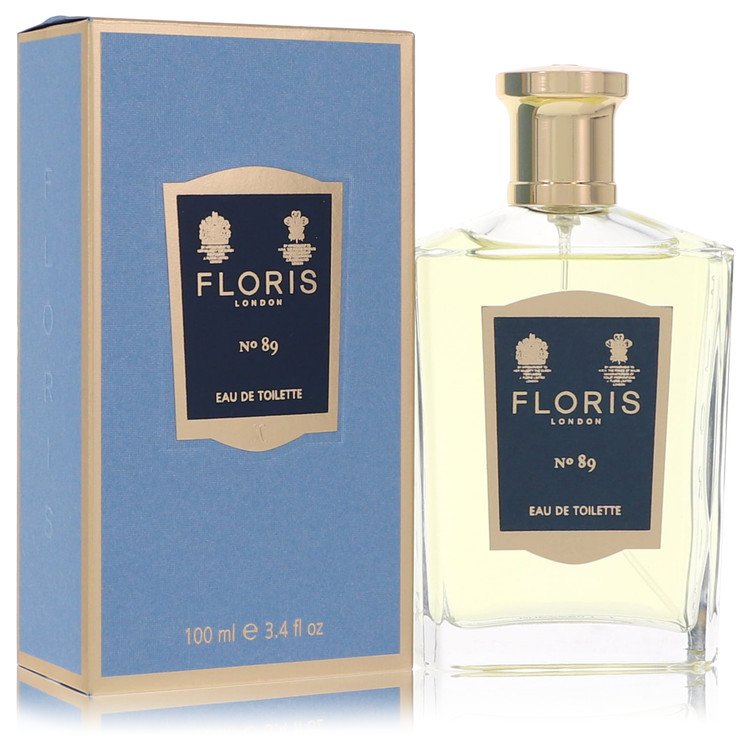
FlorisFloris No 89 Cologne by Floris 3.4 oz EDT Spray for Men$99.79Compare prices →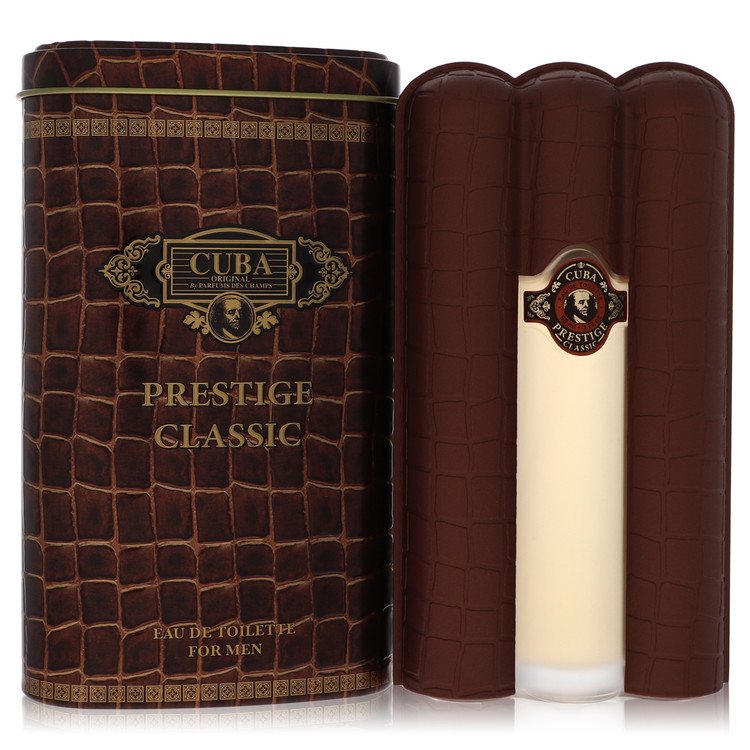 FragluxeCuba Prestige Gold Cologne by Fragluxe 3 oz EDT Spray for Men$13.68Compare prices →
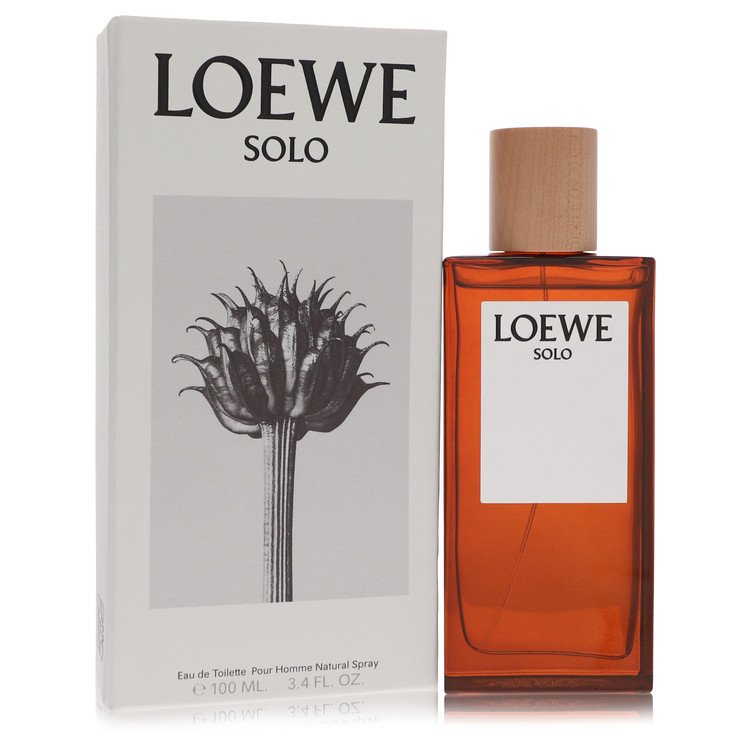 LoeweSolo Loewe Cologne by Loewe 3.4 oz EDT Spray for Men$104.35Compare prices →
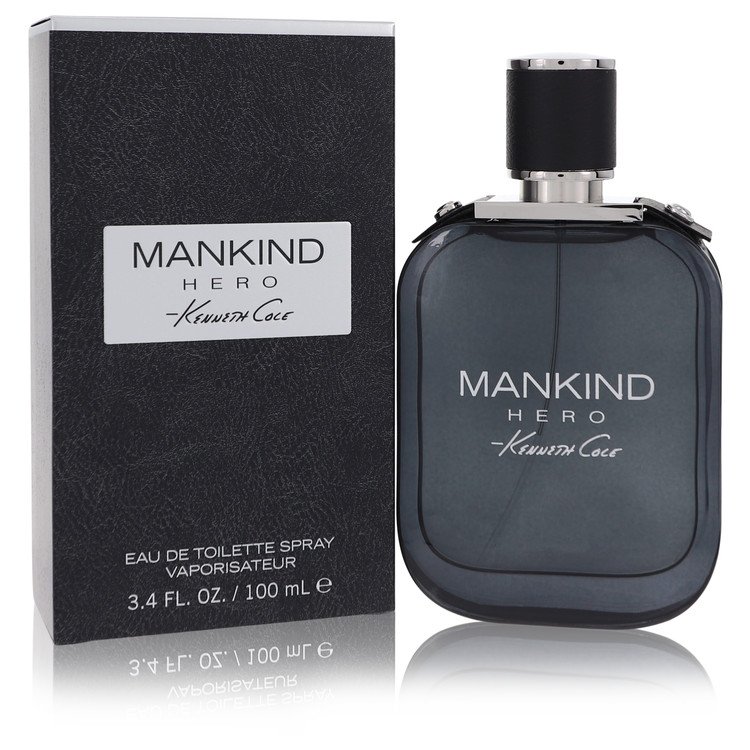 Kenneth ColeKenneth Cole Mankind Hero Cologne 3.4 oz EDT Spray for Men$35.00Compare prices →
Smell it before you buy it
Our directory lists brick-and-mortar perfume and fragrance stores in every US state, with addresses, phones, and websites, so you can test on skin before spending real money.
Find a fragrance store near you